Wolfgang Amadeus Mozart
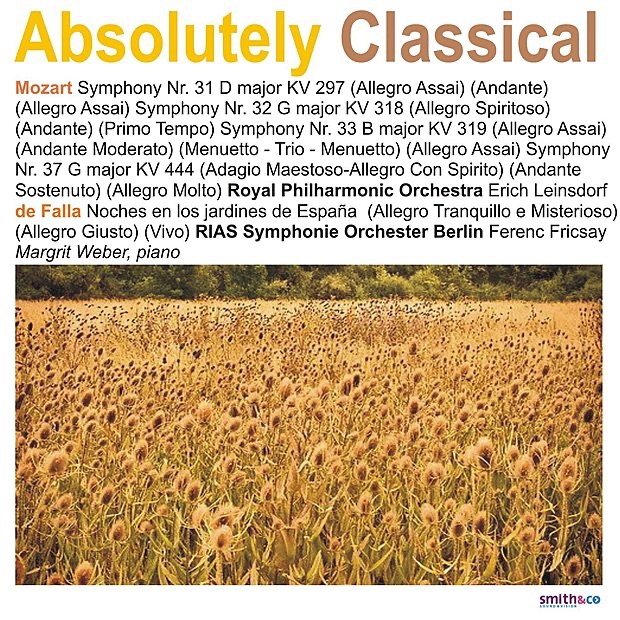
Symphony No. 37 in G major, K. 444 (425a)
Released Album
Recent Album
Works Info
Composer:Wolfgang Amadeus MozartGenre:SymphonyStyle:SymphonyCompose Date:1783Average_duration:11:48Movement_count:3Movement ....Symphony No. 37 in G major, K. 444 (425a) is a symphony composed by Wolfgang Amadeus Mozart in 1783. It is believed to have been written for the Haffner family, who were prominent citizens of Salzburg and patrons of Mozart. The symphony was premiered on July 1, 1783, in Salzburg. The symphony consists of four movements: 1. Allegro con spirito 2. Andante 3. Menuetto 4. Allegro The first movement, Allegro con spirito, is a lively and energetic piece that features a prominent melody played by the strings. The second movement, Andante, is a slower and more contemplative piece that features a beautiful melody played by the woodwinds. The third movement, Menuetto, is a dance-like piece that features a playful melody played by the strings. The final movement, Allegro, is a fast and lively piece that features a virtuosic solo played by the violin. One of the characteristics of this symphony is its use of the sonata form, which was a popular form of composition during the Classical period. The sonata form consists of three main sections: the exposition, the development, and the recapitulation. In the exposition, the main themes of the piece are introduced. In the development, these themes are developed and transformed. In the recapitulation, the themes are restated in their original form. Another characteristic of this symphony is its use of orchestration. Mozart was known for his skill in orchestration, and this symphony is no exception. The symphony features a wide range of instruments, including strings, woodwinds, brass, and percussion. Mozart uses these instruments to create a rich and varied sound that is both powerful and delicate. Overall, Symphony No. 37 in G major, K. 444 (425a) is a beautiful and masterful piece of music that showcases Mozart's skill as a composer. Its use of the sonata form and orchestration make it a classic example of Classical period music, and its lively and energetic melodies make it a joy to listen to.More....
Works Music
Released Music