


Wolfgang Amadeus Mozart
Prelude and fugue (after J. S. Bach) in F major, K. 404a/3
Released Album
Recent Album


Works Info
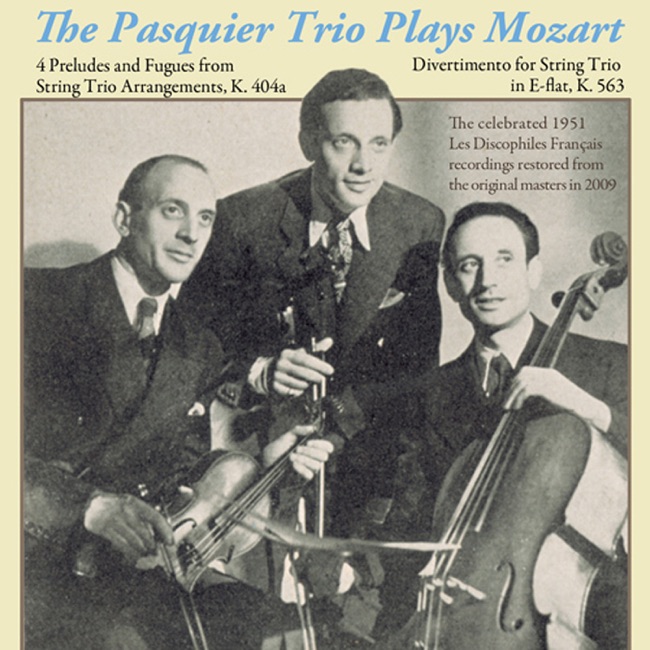
Composer:Wolfgang Amadeus MozartGenre:ChamberStyle:FugueCompose Date:1782Average_duration:5:29Movement_count:2Movement ....Wolfgang Amadeus Mozart composed the "Prelude and Fugue (after J. S. Bach) in F major, K. 404a/3" in 1782. The piece was not originally composed by Mozart, but rather it was a transcription of a prelude and fugue by Johann Sebastian Bach. Mozart transcribed the piece for string quartet, and it was likely intended for performance by the King of Prussia, who was a patron of the arts and a cellist himself. The "Prelude and Fugue (after J. S. Bach) in F major, K. 404a/3" is a two-movement work. The first movement is the prelude, which is marked "Allegro moderato." The prelude is a lively and energetic piece, with a driving rhythm and a sense of forward momentum. The second movement is the fugue, which is marked "Allegro." The fugue is a complex and intricate piece, with multiple voices weaving in and out of each other in a tightly-knit musical texture. One of the characteristics of the "Prelude and Fugue (after J. S. Bach) in F major, K. 404a/3" is its adherence to the Baroque style of Bach. Mozart was known for his ability to write in a variety of styles, and in this piece, he demonstrates his mastery of the Baroque style. The piece is characterized by its use of counterpoint, with multiple voices playing independent melodies that combine to create a complex and harmonically rich musical texture. Another characteristic of the piece is its use of imitation. Imitation is a technique in which one voice introduces a melody, and then another voice repeats the same melody in a different key or at a different interval. This creates a sense of unity and coherence in the piece, as the different voices are all connected by a common musical idea. Overall, the "Prelude and Fugue (after J. S. Bach) in F major, K. 404a/3" is a masterful transcription of a Bach piece by Mozart. It demonstrates Mozart's ability to write in a variety of styles and his deep understanding of the Baroque style of Bach. The piece is characterized by its use of counterpoint and imitation, and it is a testament to the enduring influence of Bach on the music of later composers.More....
Works Music
Released Music
1

3:13
2

3:13
3
4:23

5
3:13