Orlande de Lassus
Musica Dei donum optimi, M. xvi (S. xix/63)
Released Album
Recent Album


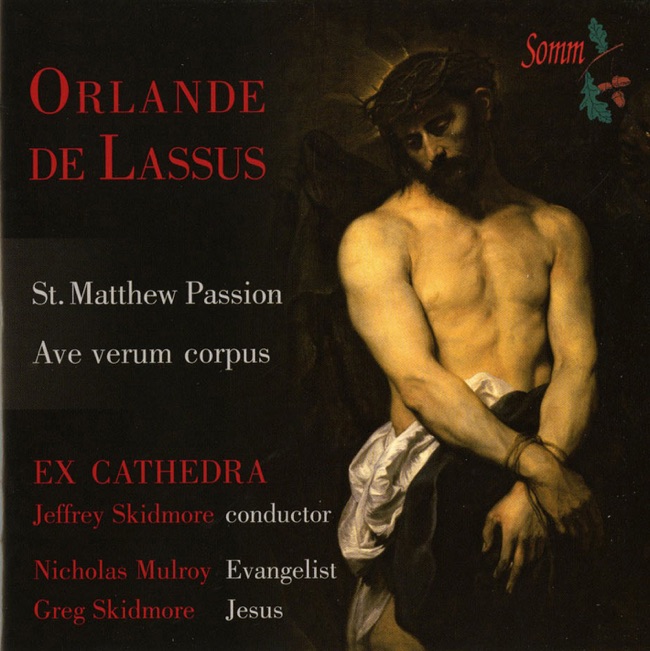
Featured Album

Works Info
Composer:Orlande de LassusGenre:ChoralStyle:MotetPublication Date:1594Average_duration:3:52Musica Dei donum optimi, M. xvi (S. xix/63) is a sacred motet composed by Orlande de Lassus, a prominent composer of the late Renaissance period. The piece was composed in the late 16th century, and its premiere is not known. The motet is written for four voices, and it is divided into three movements. The first movement is a homophonic setting of the text "Musica Dei donum optimi," which translates to "Music is the best gift of God." The second movement is a polyphonic setting of the text "Cantate Domino canticum novum," which translates to "Sing to the Lord a new song." The final movement is a homophonic setting of the text "Laudate Dominum in sanctis eius," which translates to "Praise the Lord in his holy places." The characteristics of Musica Dei donum optimi, M. xvi (S. xix/63) reflect the style of late Renaissance sacred music. The piece is characterized by its use of imitative polyphony, in which each voice enters in succession with the same or similar melody. The harmonies are rich and complex, with dissonances used for expressive effect. The text is set with great sensitivity to its meaning, with the music reflecting the mood and emotion of the words. Overall, Musica Dei donum optimi, M. xvi (S. xix/63) is a beautiful example of late Renaissance sacred music, showcasing the skill and artistry of Orlande de Lassus. Its timeless beauty continues to inspire and move listeners today.More....
Works Music
Released Music

3

2:29
8
3:31
Featured Music