Johannes Schenck
Sonata No. 11 in G major, Op. 8/11
Released Album
Recent Album
Works Info
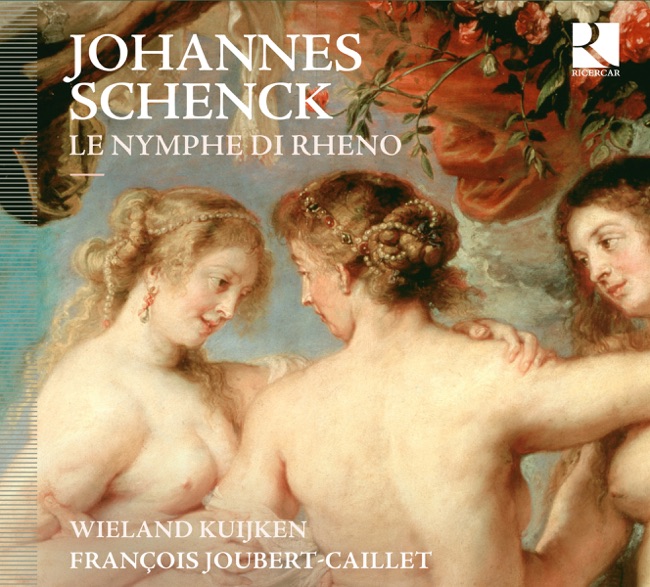
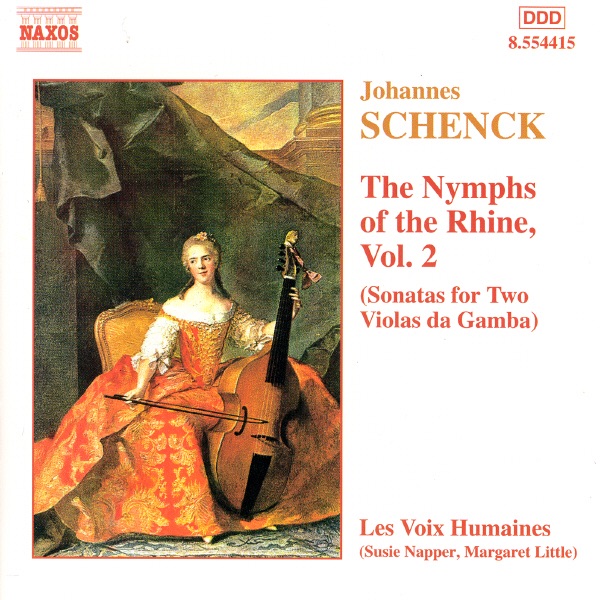
Composer:Johannes SchenckGenre:ChamberStyle:SonataAverage_duration:11:07Johannes Schenck's Sonata No. 11 in G major, Op. 8/11, is a Baroque-era composition for viola da gamba and continuo. It was composed in the late 17th century and premiered in Amsterdam, where Schenck was based. The sonata is divided into four movements, each with its own distinct character and style. The first movement, marked "Preludio," is a lively and energetic piece that showcases the virtuosity of the viola da gamba. It features fast runs and intricate ornamentation, as well as moments of more lyrical and expressive playing. The second movement, "Allemande," is a more stately and formal dance in a moderate tempo. It is characterized by its elegant and refined melodies, which are often passed between the viola da gamba and the continuo. The third movement, "Courante," is a faster dance in triple meter. It is marked by its lively and rhythmic character, with the viola da gamba and continuo engaging in playful and intricate interplay. The final movement, "Sarabande," is a slow and solemn dance in a triple meter. It is marked by its expressive and melancholic melodies, which are often ornamented with trills and other embellishments. Overall, Schenck's Sonata No. 11 in G major is a masterful example of Baroque-era chamber music. It showcases the technical and expressive capabilities of the viola da gamba, while also demonstrating Schenck's skill as a composer. The sonata's four movements each offer a unique and engaging musical experience, making it a beloved work among fans of Baroque music.More....
Works Music
Released Music