


Francesco Mancini
Sonata for recorder & continuo No. 6 in B flat major
Released Album
Recent Album



Works Info
Composer:Francesco ManciniAverage_duration:8:12Movement_count:4Movement ....The 'Sonata for recorder & continuo No. 6 in B flat major' is a Baroque composition by Italian composer Francesco Mancini. It was composed in the early 18th century and premiered in Rome, Italy. The sonata is divided into three movements, each with its own distinct characteristics. The first movement, marked Allegro, is in a binary form and begins with a lively and cheerful melody played by the recorder. The continuo provides a steady bass line and harmonic support throughout the movement. The recorder and continuo engage in a playful dialogue, with the recorder showcasing its virtuosic capabilities through fast runs and trills. The second movement, marked Largo, is in a ternary form and is characterized by its slow and expressive melody. The recorder takes on a more lyrical role in this movement, with the continuo providing a gentle accompaniment. The movement is marked by its use of suspensions and dissonances, which create a sense of tension and release. The final movement, marked Allegro, is in a binary form and is the most lively and energetic of the three. The recorder and continuo engage in a lively dialogue, with the recorder once again showcasing its virtuosic capabilities through fast runs and trills. The movement is marked by its use of syncopation and rhythmic complexity, which create a sense of excitement and energy. Overall, the 'Sonata for recorder & continuo No. 6 in B flat major' is a prime example of Baroque music, characterized by its use of counterpoint, ornamentation, and harmonic complexity. The sonata showcases the virtuosic capabilities of the recorder and the importance of the continuo in providing harmonic support and rhythmic drive.More....
Works Music
Released Music
1
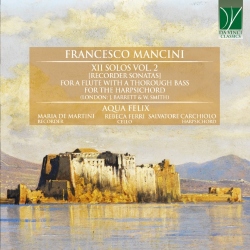
3:33
2

9:16
3

2:58
4
1:46
5
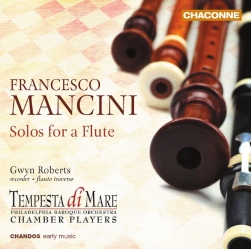
2:4
6
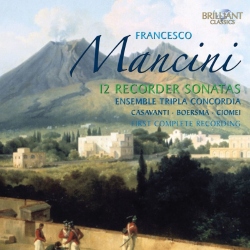
2:8
7
2:9