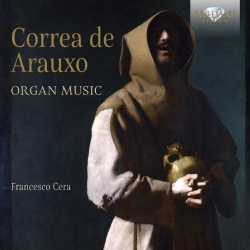
Francisco Correa de Arrauxo
Tiento de 2 tiples de septimo tono
Released Album
Recent Album
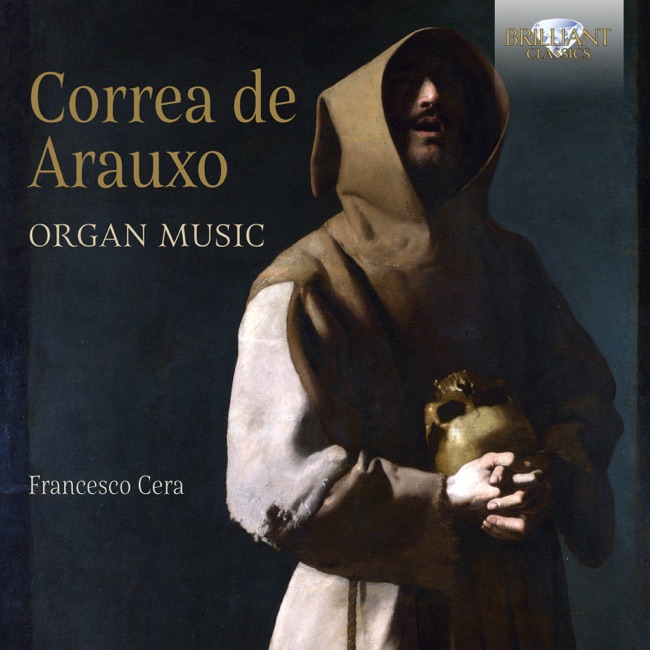
Works Info
Composer:Francisco Correa de ArrauxoGenre:KeyboardAverage_duration:6:02Francisco Correa de Arrauxo was a Spanish composer and organist who lived during the late Renaissance and early Baroque periods. He is known for his keyboard music, particularly his tientos, which were a type of instrumental composition that originated in Spain in the 16th century. One of his most famous tientos is the "Tiento de 2 tiples de septimo tono," which was composed in the early 17th century. The "Tiento de 2 tiples de septimo tono" is a keyboard piece that is written in the seventh mode, or the Mixolydian mode. It is a two-voice tiento, which means that it is written for two keyboard instruments or for one keyboard instrument with two manuals. The piece is divided into three movements, each of which has its own distinct character and mood. The first movement is marked "Allegro," and it is a lively and energetic piece that features fast runs and intricate counterpoint between the two voices. The second movement is marked "Largo," and it is a slower and more contemplative piece that features long, sustained notes and a more homophonic texture. The third movement is marked "Allegro," and it is a return to the fast and lively character of the first movement, with more intricate counterpoint and virtuosic runs. One of the most notable characteristics of the "Tiento de 2 tiples de septimo tono" is its use of the Mixolydian mode. This mode is characterized by its flattened seventh degree, which gives it a distinctive sound that is often associated with Spanish music. Correa de Arrauxo uses this mode to great effect in the piece, creating a sense of tension and release that is both dramatic and expressive. Overall, the "Tiento de 2 tiples de septimo tono" is a masterful example of Correa de Arrauxo's keyboard music. Its intricate counterpoint, virtuosic runs, and expressive use of the Mixolydian mode make it a challenging and rewarding piece for performers and a testament to the rich musical tradition of Spain during the Renaissance and Baroque periods. The piece was likely composed in the early 17th century and would have been premiered on a keyboard instrument such as an organ or harpsichord.More....
Works Music
Released Music