Wolfgang Amadeus Mozart
Mass No. 7 in C major "Trinitatis", K. 167
Released Album
Recent Album
Works Info
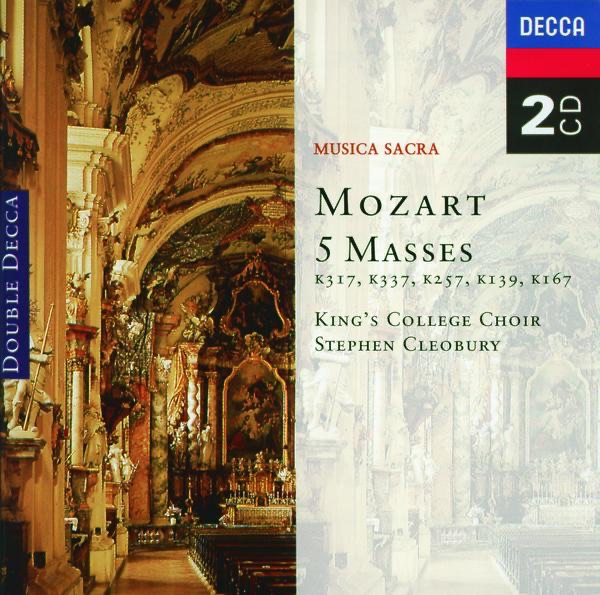
Composer:Wolfgang Amadeus MozartGenre:ChoralStyle:MassCompose Date:1773Average_duration:30:01Movement_count:7Movement ....Wolfgang Amadeus Mozart composed his Mass No. 7 in C major Trinitatis, K. 167 in Salzburg in 1773. The piece was premiered on Trinity Sunday, June 27, 1773, at the Salzburg Cathedral. The mass is divided into six movements: Kyrie, Gloria, Credo, Sanctus, Benedictus, and Agnus Dei. The Kyrie is a simple and solemn opening movement, with the choir singing the text in a homophonic style. The Gloria is a joyful and exuberant movement, with the choir and soloists alternating in a lively and virtuosic manner. The Credo is a longer movement, with the choir and soloists singing the text in a more complex and contrapuntal style. The Sanctus is a bright and celebratory movement, with the choir and soloists singing in a joyful and festive manner. The Benedictus is a more subdued and introspective movement, with the soloists singing a beautiful and expressive melody. The Agnus Dei is a solemn and prayerful movement, with the choir and soloists singing in a gentle and peaceful manner. The Mass No. 7 in C major Trinitatis, K. 167 is characterized by its simplicity, clarity, and elegance. Mozart's use of homophonic and contrapuntal textures, as well as his skillful handling of the choir and soloists, creates a sense of balance and harmony throughout the piece. The mass is also notable for its use of orchestration, with Mozart employing a small ensemble of strings, winds, and brass to create a rich and varied sound. Overall, the Mass No. 7 in C major Trinitatis, K. 167 is a beautiful and uplifting work that showcases Mozart's mastery of the choral and orchestral genres. Its timeless beauty and elegance continue to captivate audiences today, making it a beloved piece of classical music.More....
Works Music
Released Music
2
4:23
3
2:49
4
4:24
5
4:11
7
3:16