Mario Davidovsky
Synchronisms No. 5
Released Album
Recent Album


Works Info
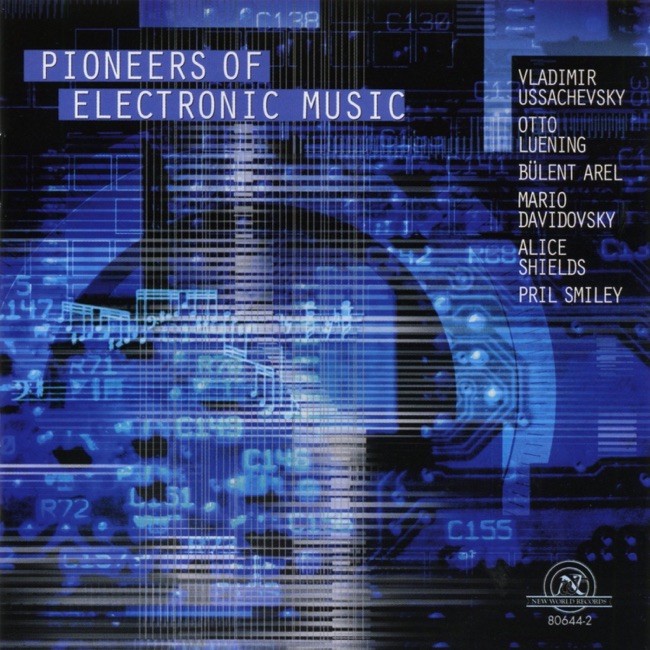
Composer:Mario DavidovskyGenre:ChamberStyle:Electronic MusicCompose Date:1969Average_duration:8:40Synchronisms No. 5 is a composition for flute and electronic sounds, composed by Mario Davidovsky in 1977. It was premiered on April 6, 1978, at the Columbia-Princeton Electronic Music Center in New York City. The piece is divided into three movements, each with its own distinct characteristics. The first movement, marked "Allegro con brio," is characterized by its energetic and virtuosic flute writing. The electronic sounds are used to create a sense of space and depth, with the flute often playing against a backdrop of swirling, pulsating tones. The movement is highly rhythmic, with the flute and electronics frequently trading off syncopated patterns. The second movement, marked "Lento," is more introspective and contemplative. The flute plays long, sustained lines over a bed of shimmering electronic tones, creating a sense of stillness and calm. The electronics are used to create a sense of space and distance, with the flute often sounding as if it is echoing through a vast, empty chamber. The final movement, marked "Vivo," is a return to the energy and virtuosity of the first movement. The flute and electronics engage in a lively dialogue, with the flute often playing rapid, staccato figures against a backdrop of pulsating electronic tones. The movement builds to a frenzied climax before coming to a sudden, abrupt stop. Throughout the piece, Davidovsky makes use of a technique he called "transformational networks," in which he manipulates and transforms recorded sounds in real time to create a constantly evolving sonic landscape. This technique allows the electronic sounds to interact with the flute in a way that is both organic and unpredictable, creating a sense of spontaneity and improvisation. Overall, Synchronisms No. 5 is a highly virtuosic and technically demanding work that showcases the expressive potential of the flute in combination with electronic sounds. Its use of transformational networks and real-time manipulation of recorded sounds was groundbreaking at the time of its composition, and it remains a landmark work in the field of electroacoustic music.More....
Works Music