Béla Bartók
Ruthenian 'kolomejka', Sz. 98/35
Released Album
Recent Album
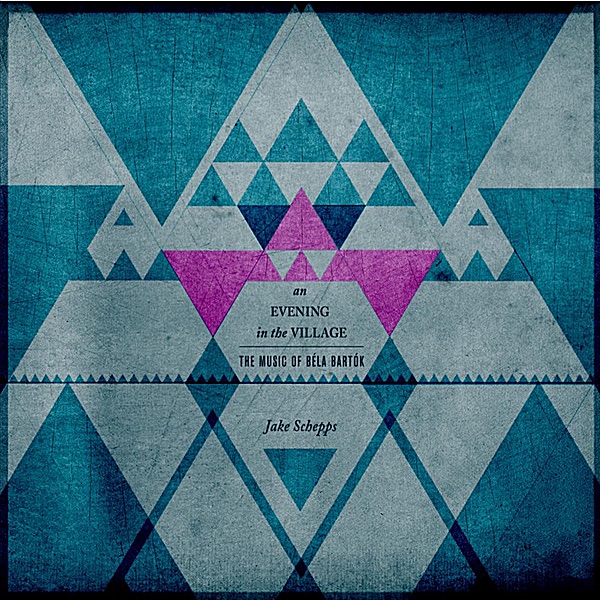
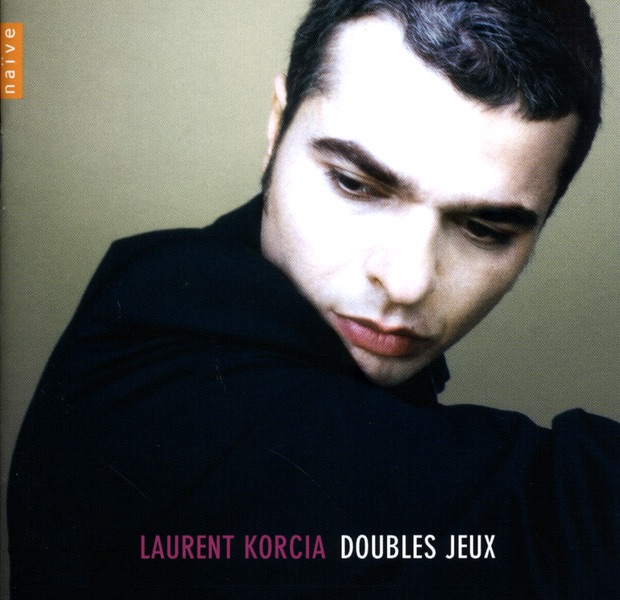
Works Info
Composer:Béla BartókGenre:ChamberStyle:DuetCompose Date:1931Average_duration:0:50Béla Bartók's 'Ruthenian kolomejka', Sz. 98/35, is a short piano piece that was composed in 1915. It was premiered in Budapest in 1916, and is part of Bartók's collection of folk-inspired piano works, which he began composing in the early 1900s. The 'Ruthenian kolomejka' is a lively and energetic piece, with a fast tempo and a strong rhythmic drive. It is based on a traditional folk dance from the Ruthenian region of Ukraine, which is characterized by its quick, syncopated rhythms and its use of the dorian mode. The piece is divided into three main sections, or movements, each of which is based on a different aspect of the kolomejka dance. The first movement is a fast and lively introduction, which sets the tone for the rest of the piece. The second movement is a slower, more lyrical section, which features a beautiful melody that is played in the right hand while the left hand provides a simple accompaniment. The third movement is a return to the fast and energetic rhythms of the opening, with a series of rapid-fire runs and arpeggios that build to a thrilling climax. Throughout the piece, Bartók employs a variety of techniques to capture the spirit of the kolomejka dance. He uses syncopated rhythms, irregular accents, and unexpected pauses to create a sense of excitement and unpredictability. He also incorporates elements of the dorian mode, such as the flattened seventh scale degree, to give the piece a distinctive folk flavor. Overall, the 'Ruthenian kolomejka' is a masterful example of Bartók's ability to blend traditional folk music with modern compositional techniques. It is a lively and engaging piece that showcases the unique rhythms and melodies of the Ruthenian kolomejka dance.More....
Works Music
Released Music