Giovanni Gabrieli
Canzon No. 3, for 4 parts
Released Album
Recent Album
Works Info
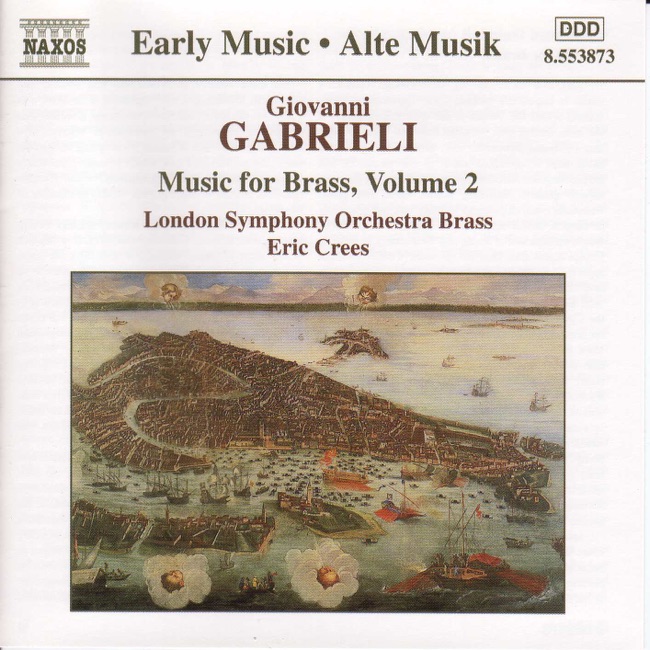
Composer:Giovanni GabrieliGenre:ChamberStyle:CanzonaPublication Date:1608Average_duration:2:36Giovanni Gabrieli was a prominent Italian composer of the late Renaissance period, known for his innovative use of multiple choirs and instrumental groups. One of his most famous works is the Canzon No. 3, for 4 parts, which was composed in the late 16th century. The Canzon No. 3 is a piece of instrumental music that was originally written for four separate groups of instruments: two cornettos and two trombones, two violins and two violas, two trumpets and two sackbuts, and two recorders and two dulcians. Each group of instruments plays a different melody, creating a rich and complex texture that is typical of Gabrieli's style. The piece is divided into three movements, each with its own distinct character. The first movement is marked by a lively and energetic rhythm, with each group of instruments taking turns playing the main melody. The second movement is slower and more contemplative, with a more subdued melody that is passed between the different groups of instruments. The final movement is a lively and joyful dance, with all four groups of instruments playing together in a complex and intricate interplay of sound. One of the most notable characteristics of the Canzon No. 3 is its use of antiphonal sound, with the different groups of instruments playing from different parts of the performance space. This creates a sense of spatial depth and complexity that is unique to Gabrieli's music. The piece also features a rich and varied harmonic language, with complex chord progressions and unexpected modulations that keep the listener engaged and interested. The Canzon No. 3 was first performed in Venice in the late 16th century, and quickly became one of Gabrieli's most popular works. Its innovative use of multiple choirs and instrumental groups was highly influential, and helped to establish Gabrieli as one of the most important composers of his time. Today, the Canzon No. 3 remains a beloved and frequently performed piece of Renaissance music, admired for its complexity, beauty, and innovation.More....
Works Music
Released Music
1
Song No. 3, for 4 parts
Canzona III a 4 (da Canzoni per sonare con ogni sorte di stromenti a quattro, cinque e otto, Venezia 1608)
1:31
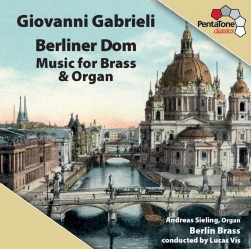
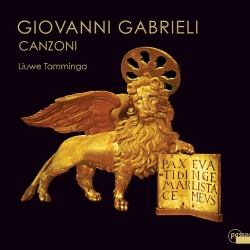
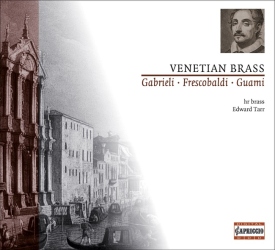
7
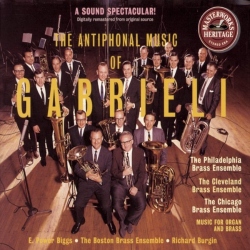
2:23