Jacques Hotteterre
Rondeau Le Champêtre
Released Album
Recent Album
Works Info
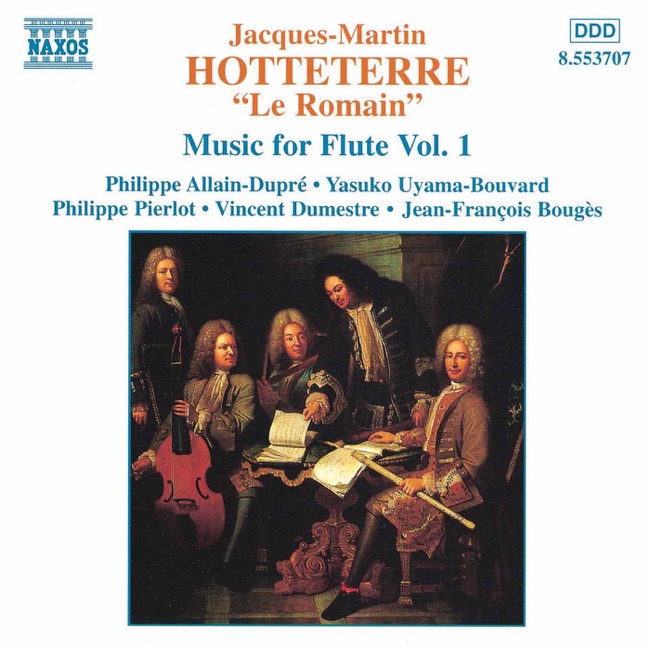
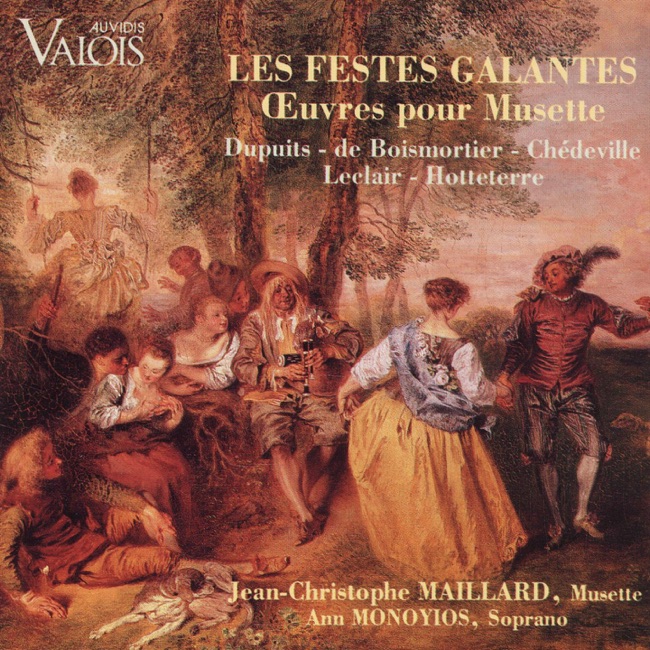
Composer:Jacques HotteterreGenre:ChamberStyle:Chamber MusicAverage_duration:2:42Jacques Hotteterre was a French composer and flutist who lived during the Baroque period. He was born in Paris in 1674 and died in 1763. Hotteterre was a member of a family of musicians, and he was trained by his father, who was also a flutist. Hotteterre was known for his virtuosic playing and his innovative compositions for the flute. One of Hotteterre's most famous compositions is the "Rondeau Le Champêtre." This piece was composed for the flute and continuo, and it was first performed in the early 18th century. The exact date of the premiere is not known, but it is believed to have been performed in Paris. The "Rondeau Le Champêtre" is a three-movement work that is typical of the Baroque era. The first movement is a lively and energetic rondeau that features a catchy melody and intricate ornamentation. The second movement is a slower and more contemplative sarabande that showcases the flute's expressive capabilities. The final movement is a fast and lively gigue that brings the piece to a thrilling conclusion. One of the characteristics of the "Rondeau Le Champêtre" is its use of ornamentation. Hotteterre was known for his innovative use of ornamentation, and this piece is no exception. The flute part is filled with trills, turns, and other embellishments that add to the piece's virtuosic character. Another characteristic of the "Rondeau Le Champêtre" is its use of the rondeau form. The rondeau was a popular form of music during the Baroque era, and it typically featured a recurring refrain that was interspersed with new material. Hotteterre's use of the rondeau form in this piece gives it a sense of unity and coherence. Overall, the "Rondeau Le Champêtre" is a lively and virtuosic piece that showcases Hotteterre's skill as a composer and flutist. Its use of ornamentation and the rondeau form make it a quintessential example of Baroque music.More....