Charles Ives
The Last Reader, S. 286
Released Album
Recent Album
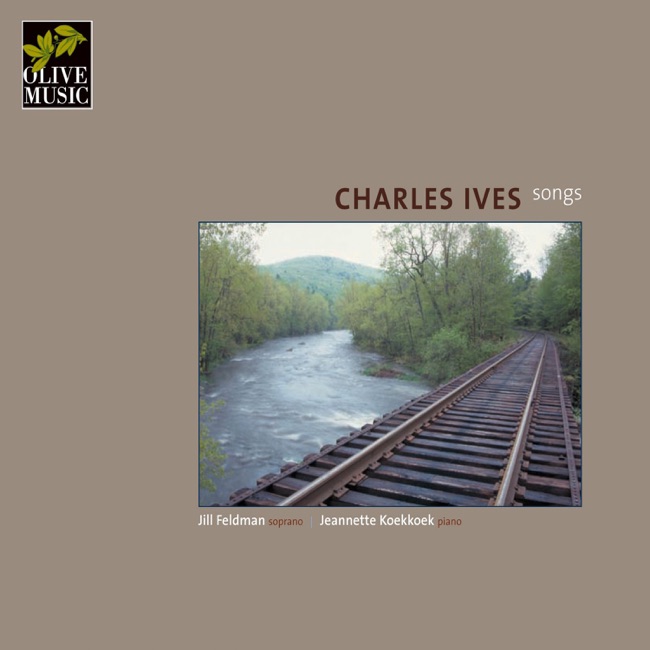
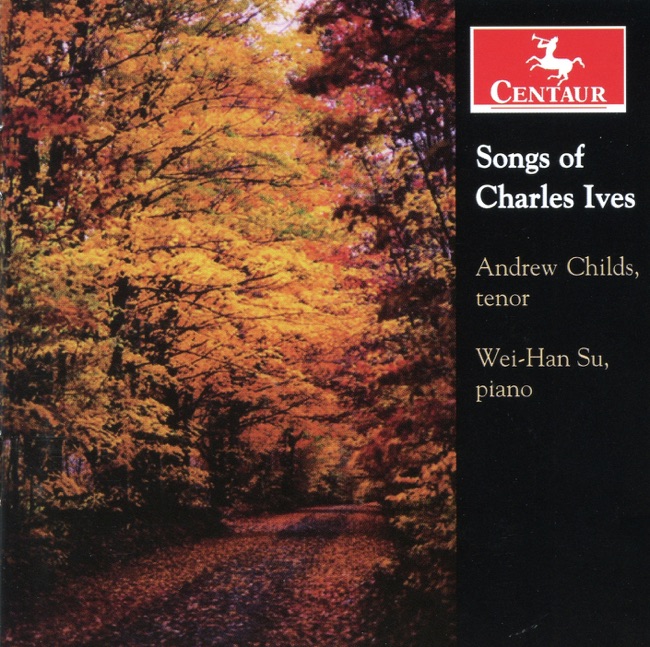
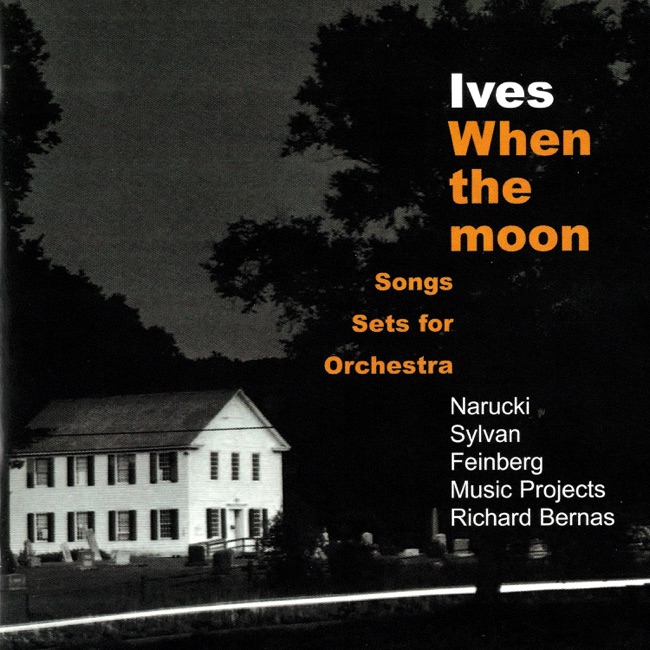

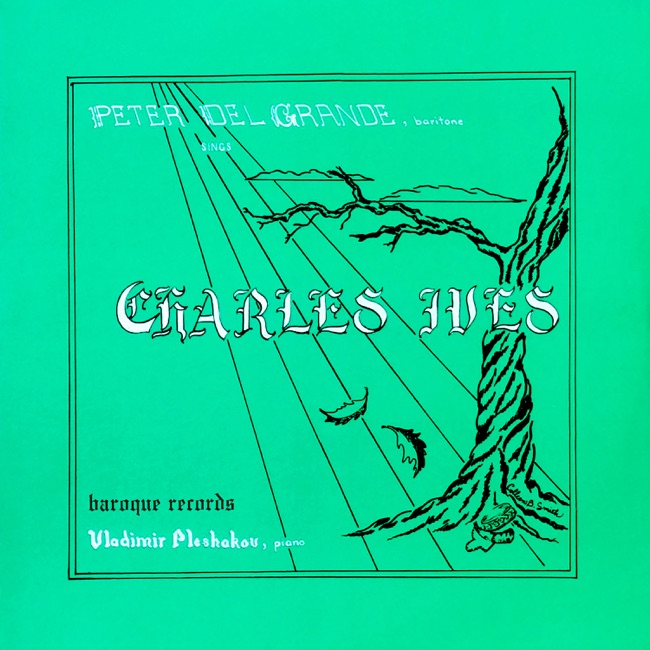
Works Info
Composer:Charles IvesGenre:VocalStyle:Song: Art SongCompose Date:1921Publication Date:1922First Performance:Nov 2, 1942Average_duration:1:45The Last Reader, S. 286 is a composition by Charles Ives, an American composer known for his experimental and innovative approach to music. The piece was composed in 1921 and premiered in 1922. It is a four-movement work for piano and orchestra. The first movement, titled "The Last Reader," is a slow and contemplative piece that features a solo piano accompanied by a soft and delicate orchestral background. The piano plays a simple and melancholic melody that is gradually developed and expanded upon by the orchestra. The movement is characterized by its introspective and reflective mood, as well as its use of subtle and nuanced harmonies. The second movement, "The Old Mother," is a lively and energetic piece that features a fast and playful piano melody accompanied by a lively and rhythmic orchestral background. The movement is characterized by its use of syncopated rhythms and playful melodies, as well as its use of contrasting dynamics and textures. The third movement, "The Children's Hour," is a slow and lyrical piece that features a solo piano accompanied by a soft and gentle orchestral background. The movement is characterized by its use of simple and elegant melodies, as well as its use of delicate and nuanced harmonies. The final movement, "The Unanswered Question," is a slow and contemplative piece that features a solo trumpet accompanied by a soft and delicate orchestral background. The trumpet plays a simple and haunting melody that is gradually developed and expanded upon by the orchestra. The movement is characterized by its introspective and reflective mood, as well as its use of subtle and nuanced harmonies. Overall, The Last Reader, S. 286 is a complex and nuanced work that showcases Ives' innovative approach to music. The piece is characterized by its use of contrasting dynamics, textures, and harmonies, as well as its use of simple and elegant melodies. It is a testament to Ives' unique and groundbreaking style, and remains a beloved work in the classical music canon.More....
Works Music
Released Music