William Byrd
Hugh Aston's Ground, MB 20
Released Album
Recent Album
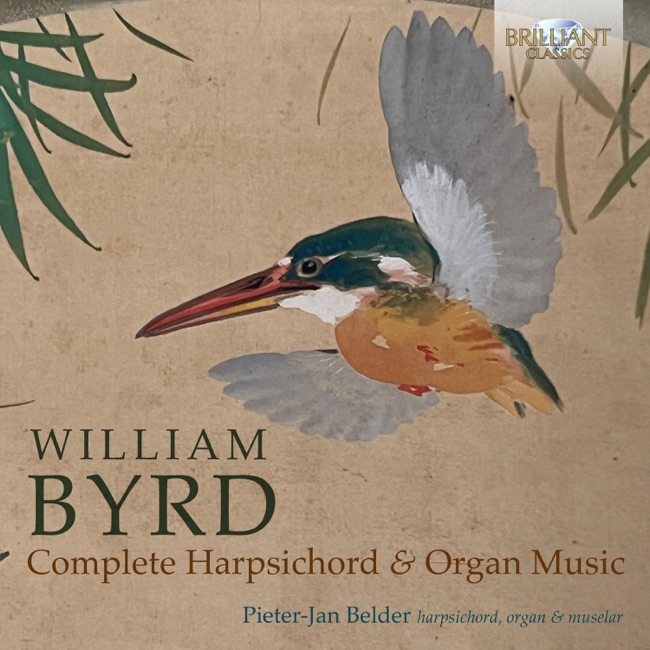
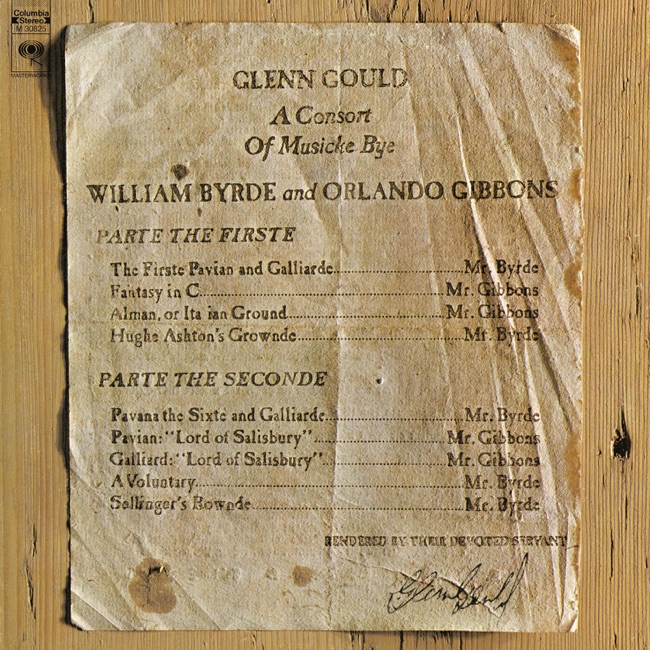
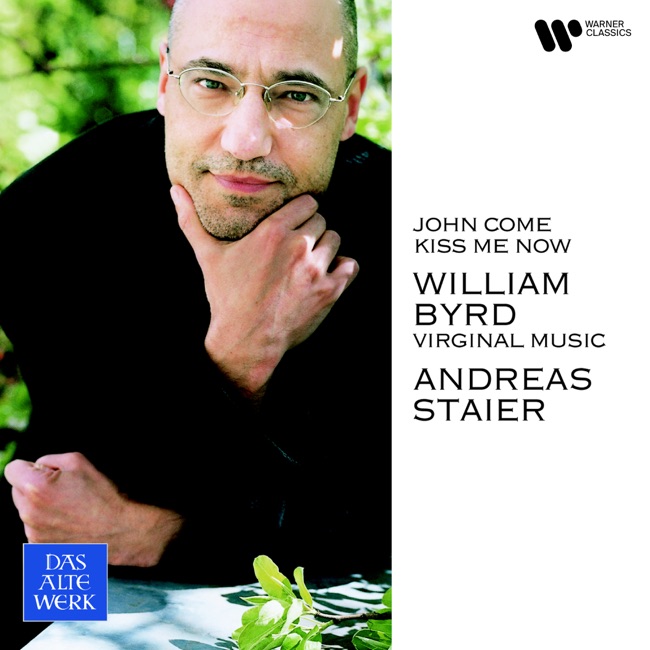
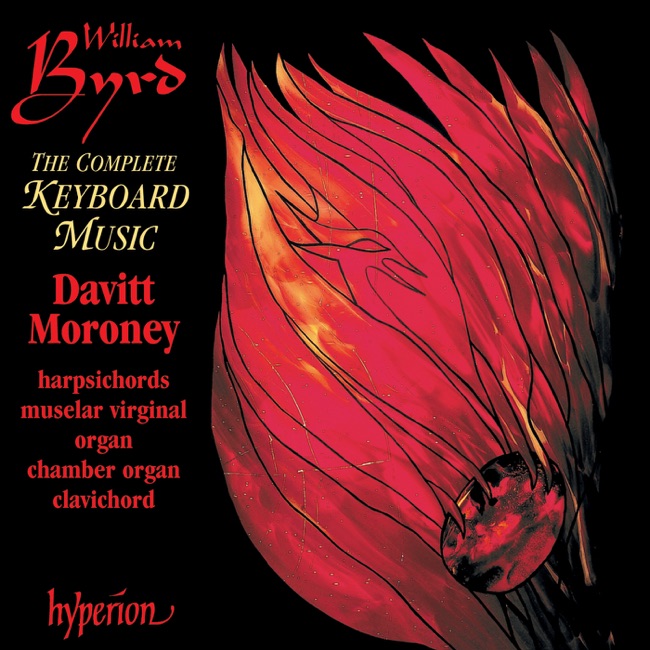
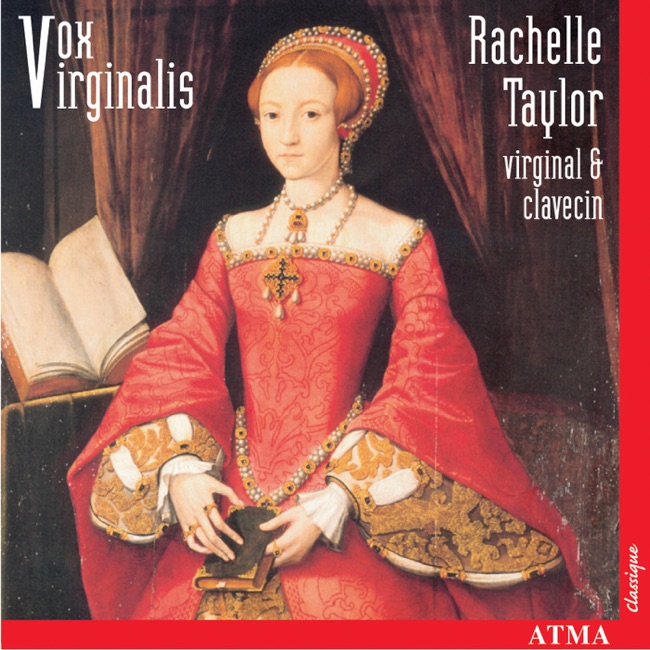
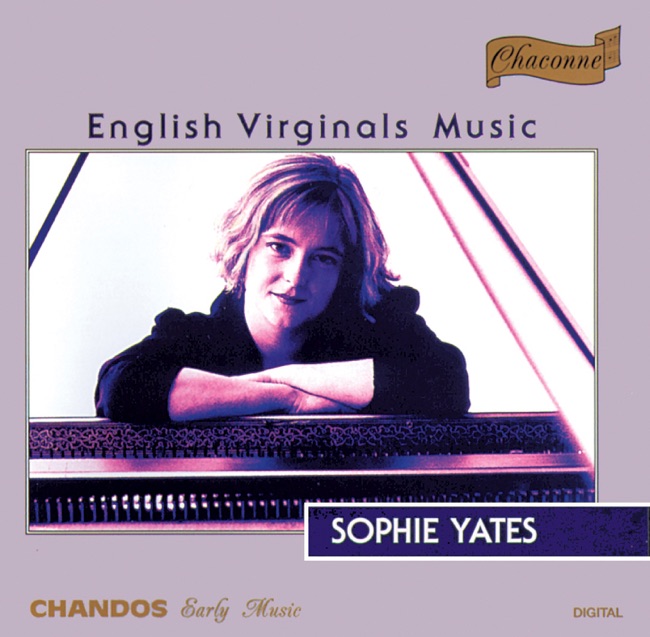
Featured Album

Works Info
Composer:William ByrdGenre:KeyboardStyle:GroundAverage_duration:8:06William Byrd's 'Hugh Aston's Ground, MB 20' is a keyboard piece that was composed in the late 16th century. The exact date of composition is not known, but it is believed to have been written sometime between 1580 and 1590. The piece is named after Hugh Aston, a musician and composer who was a contemporary of Byrd. The premiere of 'Hugh Aston's Ground' is not recorded, but it is likely that it was first performed in a private setting, perhaps at the home of a wealthy patron of the arts. The piece was not published during Byrd's lifetime, but it was included in a manuscript collection of his keyboard works that was compiled by his son, Thomas, in the early 17th century. 'Hugh Aston's Ground' is a set of variations on a short, repeating melody, or ground, that serves as the basis for the entire piece. The ground is a simple, four-bar phrase that is played in the bass line throughout the piece. Byrd's variations on the ground are complex and virtuosic, showcasing his skill as a keyboard composer. The piece is divided into six movements, each of which is a variation on the ground. The first movement is a straightforward presentation of the ground, played in the bass line. The second movement features a more elaborate version of the ground, with added ornamentation and flourishes. The third movement is a lively dance, with the ground played in the left hand and a lively melody in the right hand. The fourth movement is a slower, more contemplative variation, with the ground played in the left hand and a more expressive melody in the right hand. The fifth movement is a virtuosic tour-de-force, with the ground played in the left hand and a dazzling display of keyboard pyrotechnics in the right hand. The final movement is a return to the original ground, played in a more elaborate and ornate version than the first movement. Overall, 'Hugh Aston's Ground' is a masterful example of Byrd's keyboard writing, showcasing his skill at creating complex variations on a simple theme. The piece is notable for its virtuosity, its expressive range, and its intricate counterpoint, and it remains a popular work in the keyboard repertoire to this day.More....
Works Music
Released Music

4
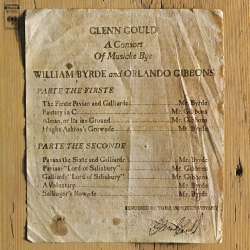
9:50

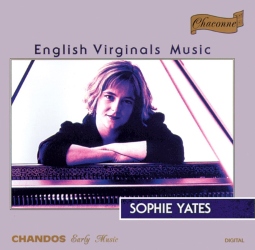
Featured Music