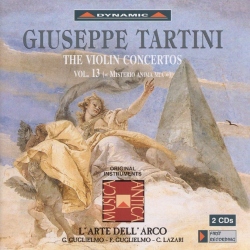
Giuseppe Tartini
Violin Concerto in A major, D. 101
Released Album
Recent Album

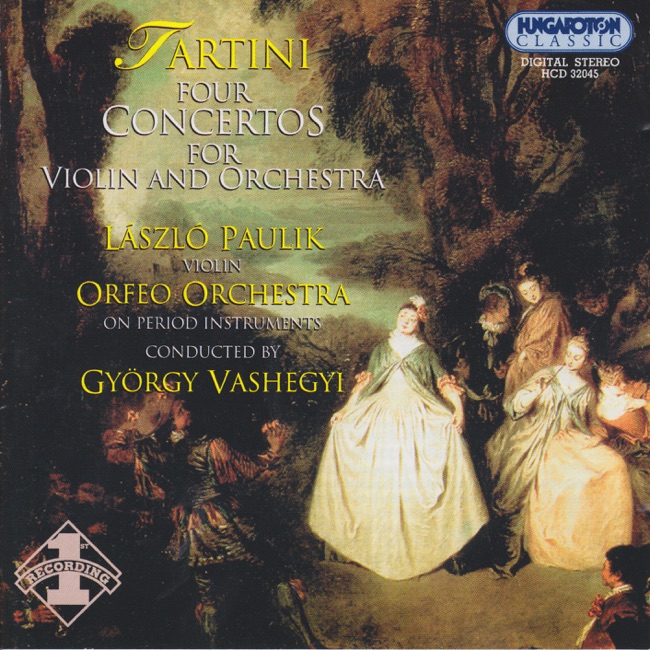
Works Info
Composer:Giuseppe TartiniGenre:ConcertoStyle:ConcertoAverage_duration:18:13Movement_count:3Movement ....The Violin Concerto in A major, D. 101, is a masterpiece of the Baroque era composed by the Italian composer and violinist Giuseppe Tartini. The concerto was composed in the early 18th century, and it premiered in Padua, Italy, in 1725. The concerto is a three-movement work that showcases Tartini's virtuosic violin playing and his innovative compositional style. The first movement of the concerto is marked Allegro, and it begins with a lively and energetic orchestral introduction. The solo violin enters with a virtuosic cadenza, which sets the tone for the rest of the movement. The solo violin and orchestra engage in a lively dialogue, with the violin showcasing its technical prowess through intricate runs and arpeggios. The movement ends with a brilliant cadenza that showcases the soloist's virtuosity. The second movement of the concerto is marked Adagio, and it is a beautiful and lyrical piece that showcases Tartini's gift for melody. The solo violin sings a mournful melody over a simple accompaniment, creating a sense of melancholy and introspection. The movement is marked by its expressive phrasing and delicate ornamentation, which give the piece a sense of intimacy and emotional depth. The final movement of the concerto is marked Allegro assai, and it is a lively and energetic piece that showcases Tartini's gift for rhythm and harmony. The movement begins with a lively orchestral introduction, which sets the tone for the rest of the movement. The solo violin enters with a virtuosic cadenza, which leads into a lively and playful dialogue between the soloist and the orchestra. The movement ends with a brilliant cadenza that showcases the soloist's virtuosity and brings the concerto to a thrilling conclusion. Overall, the Violin Concerto in A major, D. 101, is a masterpiece of the Baroque era that showcases Tartini's gift for melody, rhythm, and virtuosity. The concerto is marked by its expressive phrasing, delicate ornamentation, and intricate runs and arpeggios, which give the piece a sense of intimacy and emotional depth. The concerto remains a beloved work in the violin repertoire and continues to be performed and admired by musicians and audiences alike.More....
Works Music
Released Music