


Georg Philipp Telemann
Sonata for oboe, viola da gamba & continuo in G major, TWV 42:G8
Released Album
Recent Album
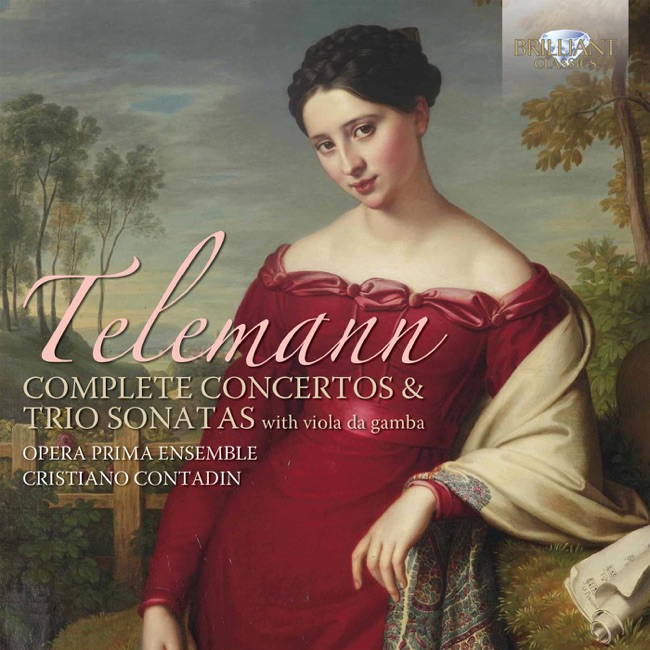
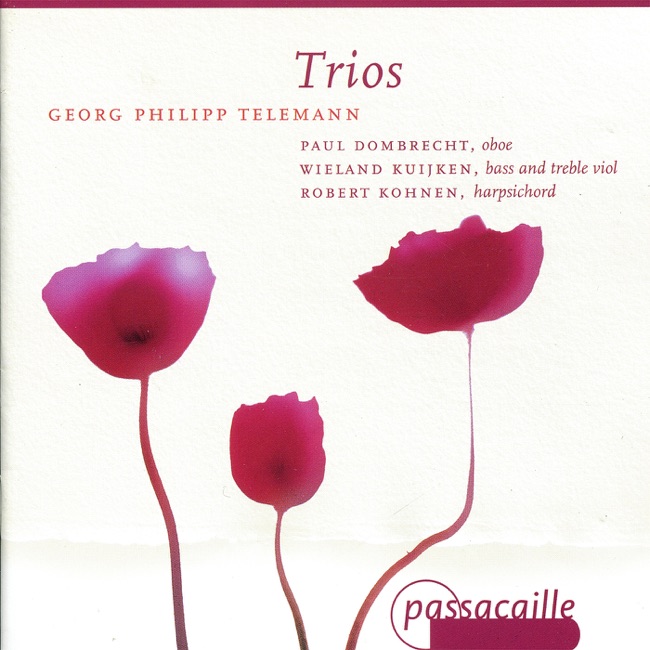
Works Info
Composer:Georg Philipp TelemannGenre:ChamberStyle:SonataCompose Date:before 1768Average_duration:7:43Georg Philipp Telemann's Sonata for oboe, viola da gamba & continuo in G major, TWV 42:G8, is a Baroque chamber music piece composed in the early 18th century. The exact date of composition is unknown, but it is believed to have been written between 1716 and 1721. The sonata was premiered in Hamburg, Germany, where Telemann was the music director of the city's five main churches. The sonata consists of four movements: Adagio, Allegro, Largo, and Allegro. The first movement, Adagio, is a slow and expressive introduction that sets the tone for the rest of the piece. The second movement, Allegro, is a lively and energetic dance-like movement that showcases the virtuosity of the oboe and viola da gamba. The third movement, Largo, is a slow and melancholic movement that features a beautiful melody played by the oboe and viola da gamba. The final movement, Allegro, is a fast and lively movement that brings the sonata to a joyful and triumphant conclusion. The sonata is characterized by its beautiful melodies, intricate counterpoint, and virtuosic solo passages. The oboe and viola da gamba are both featured prominently throughout the piece, with the continuo providing a supportive and harmonious foundation. The sonata is also notable for its use of ornamentation, which was a common feature of Baroque music. Overall, Telemann's Sonata for oboe, viola da gamba & continuo in G major, TWV 42:G8, is a beautiful and expressive example of Baroque chamber music. Its intricate melodies, virtuosic solo passages, and use of ornamentation make it a masterpiece of the genre.More....
Works Music
Released Music
1
7:4
2
7:4
3

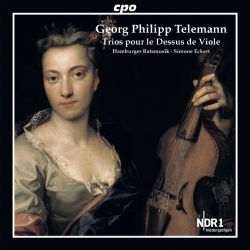
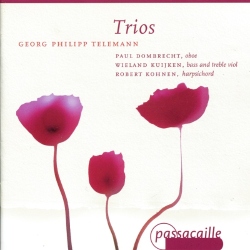
Sonata for oboe, viola da gamba & continuo in G major, TWV 42:G8
I. Soave, II. Allegro, III. Andante, IV. Allegro
7:2
4
1:17

6
2:53