Heitor Villa-Lobos
Symphony No. 12, A. 539
Released Album
Recent Album
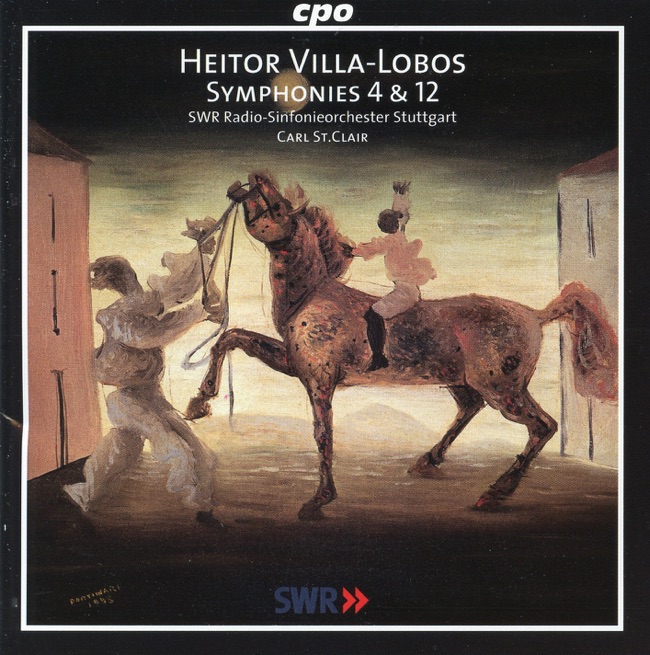
Featured Album
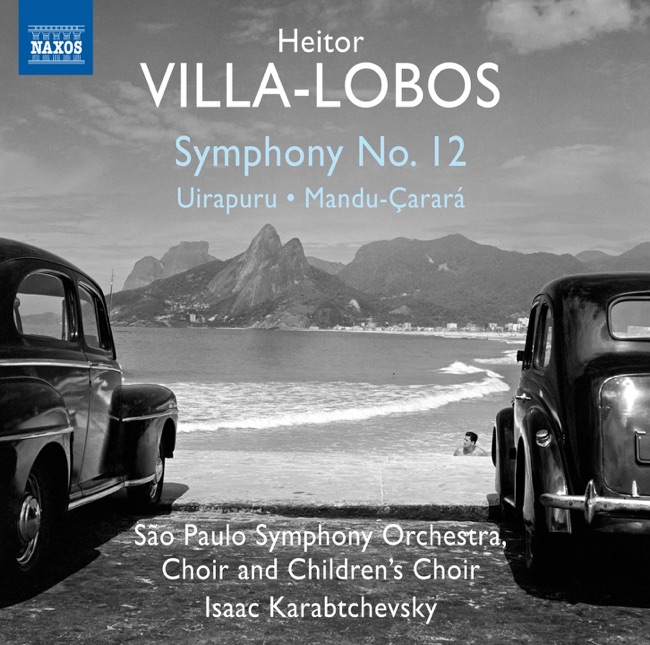
Works Info
Composer:Heitor Villa-LobosGenre:SymphonyStyle:SymphonyCompose Date:1957Average_duration:23:28Symphony No. 12, A. 539, also known as the "Uirapuru Symphony," was composed by Brazilian composer Heitor Villa-Lobos in 1955. The symphony was premiered on October 28, 1955, by the Boston Symphony Orchestra under the direction of Charles Munch. The symphony is divided into four movements, each of which is named after a different bird found in the Brazilian rainforest. The first movement, "Uirapuru," is named after a small bird known for its beautiful song. The movement begins with a slow, mysterious introduction before the main theme is introduced by the strings. The music is characterized by lush harmonies and a sense of longing. The second movement, "Saci," is named after a mischievous creature from Brazilian folklore. The movement is fast and playful, with a lively rhythm and colorful orchestration. The music is full of energy and humor, with sudden shifts in dynamics and tempo. The third movement, "Arara," is named after a large, colorful parrot. The movement is slow and lyrical, with a soaring melody played by the strings. The music is characterized by rich harmonies and a sense of grandeur. The final movement, "Pica-Pau," is named after a woodpecker. The movement is fast and rhythmic, with a driving beat and lively melodies played by the brass and percussion. The music is full of energy and excitement, with sudden shifts in tempo and dynamics. Overall, Symphony No. 12 is a colorful and evocative work that showcases Villa-Lobos's unique blend of Brazilian folk music and European classical traditions. The symphony is characterized by lush harmonies, colorful orchestration, and a sense of playfulness and humor.More....
Works Music
Released Music
Featured Music