Leopold Antonin Kozeluch
Piano Sonata No. 41 in G major, Op. 53/1, P. 12:46
Released Album
Recent Album
Works Info
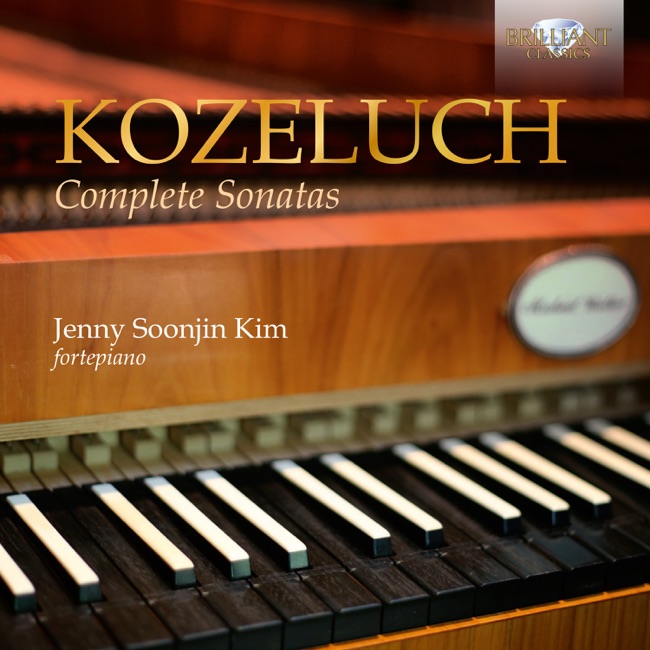
Composer:Leopold Antonin KozeluchGenre:KeyboardCompose Date:1807-1809Average_duration:13:05Movement_count:2Movement ....Leopold Antonin Kozeluch's Piano Sonata No. 41 in G major, Op. 53/1, P. 12:46, was composed in the late 18th century. The exact date of composition is unknown, but it is believed to have been written around 1790. The sonata is in three movements and was premiered in Vienna, Austria. The first movement, marked Allegro con brio, is in sonata form and begins with a lively and energetic theme. The theme is then developed and expanded upon throughout the movement, with the use of various key changes and rhythmic variations. The second theme is more lyrical and provides a contrast to the opening theme. The development section is particularly noteworthy, with Kozeluch using a variety of techniques to create tension and drama. The movement ends with a recapitulation of the opening theme, followed by a coda that brings the movement to a close. The second movement, marked Andante, is a beautiful and lyrical piece that showcases Kozeluch's gift for melody. The movement is in ABA form, with the outer sections featuring a gentle and flowing melody, while the middle section is more dramatic and intense. The use of dynamics and phrasing is particularly effective in this movement, with Kozeluch creating a sense of ebb and flow that is both captivating and emotionally engaging. The final movement, marked Allegro assai, is a lively and energetic piece that brings the sonata to a rousing conclusion. The movement is in rondo form, with a recurring theme that is interspersed with contrasting sections. The use of syncopation and rhythmic variation is particularly effective in this movement, with Kozeluch creating a sense of excitement and anticipation that builds to a thrilling climax. Overall, Kozeluch's Piano Sonata No. 41 in G major, Op. 53/1, P. 12:46, is a masterful work that showcases the composer's skill and creativity. The use of melody, harmony, and rhythm is particularly effective, with Kozeluch creating a sense of drama and emotion that is both captivating and engaging. The sonata remains a popular work in the classical repertoire and is a testament to Kozeluch's enduring legacy as a composer.More....
Works Music
Released Music