


Bernard de Cluny
Pantheon abluitur / Apollonis eclipsatur / Zodiacum signis lustrantibus
Released Album
Recent Album
Works Info
Composer:Bernard de ClunyGenre:ChoralStyle:ChoralAverage_duration:2:41"Pantheon abluitur / Apollonis eclipsatur / Zodiacum signis lustrantibus" is a Latin hymn composed by Bernard of Cluny, a Benedictine monk and poet who lived in the 12th century. The hymn is part of a larger work called "De Contemptu Mundi" (On the Contempt of the World), which is a long poem that criticizes the corruption and decadence of the medieval world and praises the virtues of the monastic life. The hymn is divided into three movements, each of which describes a different aspect of the heavenly realm. The first movement, "Pantheon abluitur" (The Pantheon is cleansed), describes the purification of the heavenly temple, which is a metaphor for the purification of the soul. The hymn describes how the angels and saints cleanse the temple with holy water and incense, and how the demons are driven out. The second movement, "Apollonis eclipsatur" (The Sun of Apollo is eclipsed), describes the triumph of Christ over the pagan gods. The hymn describes how the sun of Apollo, which represents the pagan gods, is eclipsed by the light of Christ, and how the pagan temples are destroyed and replaced by Christian churches. The third movement, "Zodiacum signis lustrantibus" (The Zodiac is illuminated by the signs), describes the harmony and order of the heavenly realm. The hymn describes how the zodiac, which represents the movements of the stars and planets, is illuminated by the signs of the zodiac, which represent the virtues and graces of the saints. The hymn ends with a prayer for the faithful to be granted the grace to enter the heavenly realm and join the company of the saints and angels. The hymn was likely composed in the late 11th or early 12th century, and it was widely popular in the medieval period. It was often sung in monasteries and churches, and it was included in many medieval hymnals. The hymn is notable for its vivid imagery, its use of metaphor and allegory, and its emphasis on the virtues of the monastic life.More....
Works Music
Released Music
1
Pantheon abuitur / Apollonis eclipsatur / Zodiacum signis lustrantibus
Pantheon abluitur / Apollonis eclipsatur / Zodiacum signis lustrantibus (attrib.)
2:33
2
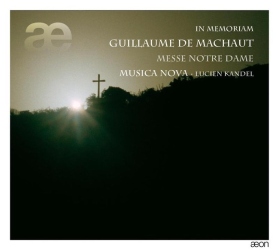
Pantheon abuitur / Apollonis eclipsatur / Zodiacum signis lustrantibus
Apollinis eclipsatur / Pantheon abluitur / Zodiacum signis lustrantibus / In omnem terram
2:59
3
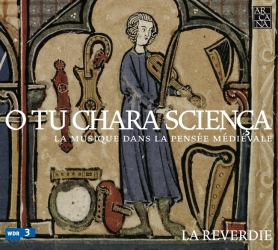
2:33