Hans Leo Hassler
Verbum caro factum est
Released Album
Recent Album
Featured Album
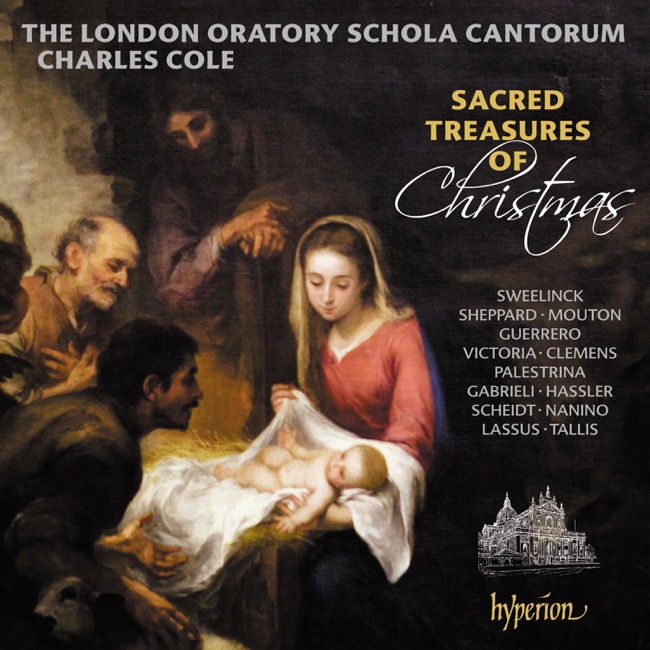
Works Info
Composer:Hans Leo HasslerGenre:OrchestralStyle:MotetCompose Date:1591Average_duration:2:53Hans Leo Hassler's "Verbum caro factum est" is a sacred motet composed in the late 16th century. The piece was likely composed in the early 1590s, during Hassler's time in Venice, where he studied with Andrea Gabrieli. The motet was first published in 1598 in Hassler's collection "Sacri concentus." "Verbum caro factum est" is a five-part motet, with the text taken from the Gospel of John, chapter 1, verse 14: "And the Word was made flesh, and dwelt among us." The piece is written in a homophonic style, with the voices moving together in block chords. The texture is mostly chordal, with occasional imitative passages between the voices. The motet is divided into three sections. The first section begins with a declamatory statement of the text, with the voices entering one by one. The second section is more melodic, with the voices weaving in and out of each other in imitation. The third section returns to the homophonic style of the opening, with the voices coming together in a final statement of the text. Hassler's "Verbum caro factum est" is characterized by its clear and simple harmonies, which allow the text to be heard clearly. The piece is also notable for its use of word painting, with the music reflecting the meaning of the text. For example, the word "caro" (flesh) is set to a descending melody, while the word "verbum" (word) is set to an ascending melody. Overall, "Verbum caro factum est" is a beautiful and expressive motet that showcases Hassler's skill as a composer. Its clear and simple harmonies, combined with its use of word painting, make it a memorable and moving piece of sacred music.More....
Works Music