


Claudio Monteverdi
Spuntava il dì (from Selva morale e spirituale), SV 255
Released Album
Recent Album
Works Info
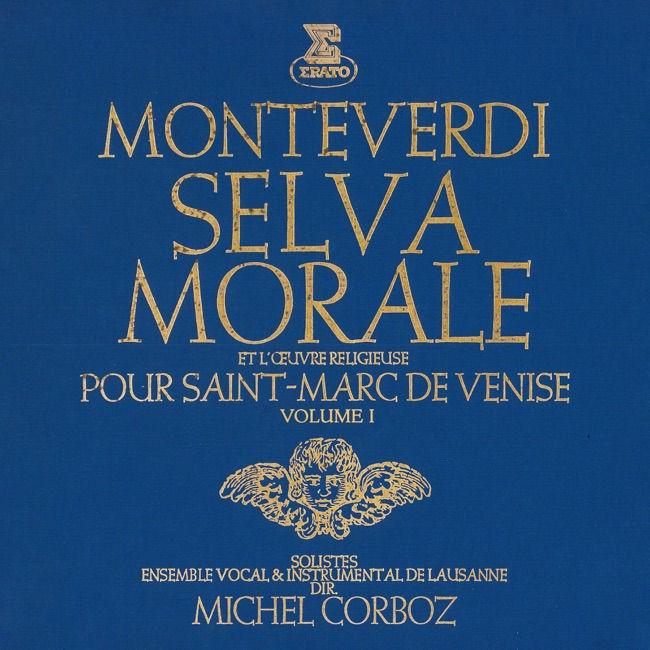
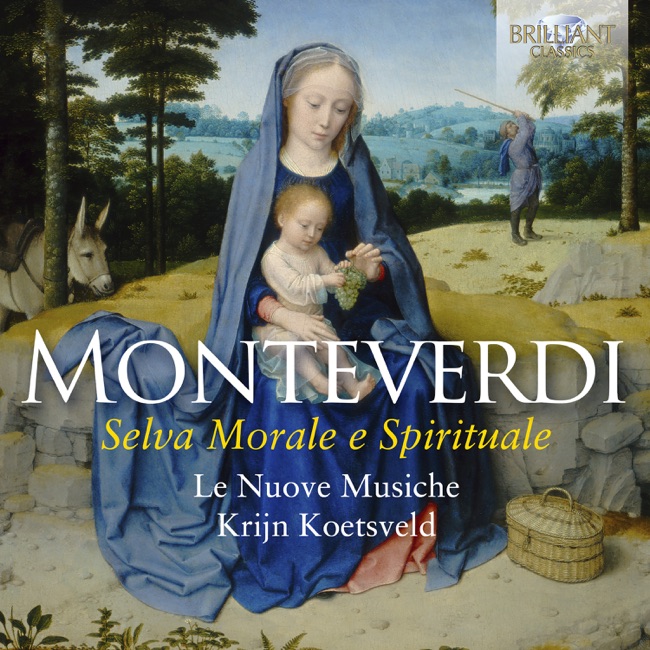
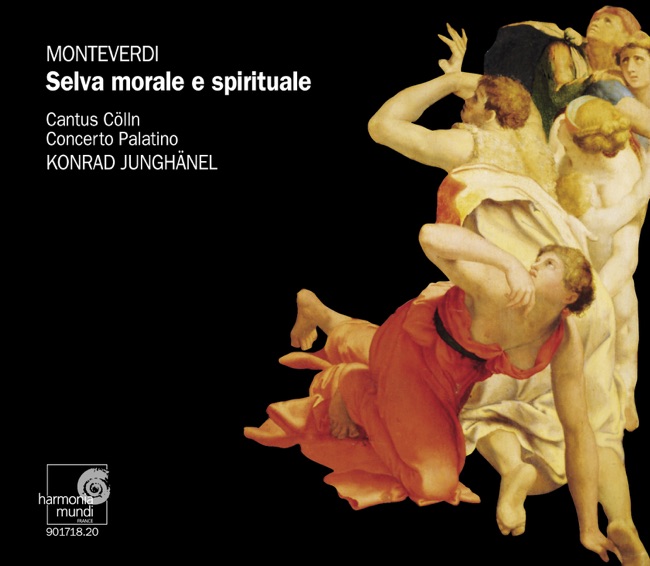
Composer:Claudio MonteverdiGenre:ChoralStyle:MotetCompose Date:ca. 1640Average_duration:5:50Spuntava il dì is a sacred vocal composition by Claudio Monteverdi, which is part of his Selva morale e spirituale collection. The collection was published in 1640 and contains a total of 37 works, including motets, psalms, and hymns. Spuntava il dì is a motet, which is a type of sacred vocal composition that is typically sung in Latin and is often used in religious services. The premiere of Spuntava il dì is not known, but it was likely performed in a church or chapel during a religious service. The composition is divided into two movements, with the first movement being in a minor key and the second movement being in a major key. The first movement is marked by a slow and mournful tempo, while the second movement is more lively and joyful. The first movement of Spuntava il dì begins with a solo voice singing the opening phrase, "Spuntava il dì con raggi," which means "The day was dawning with rays." The other voices then join in, creating a rich and complex texture. The music is characterized by its use of dissonance and chromaticism, which creates a sense of tension and unease. The text of the first movement is taken from Psalm 97, which speaks of the coming of the Lord and the judgment of the earth. The second movement of Spuntava il dì begins with a lively instrumental introduction, which is followed by the voices singing the text, "Laudate Dominum omnes gentes," which means "Praise the Lord, all you nations." The music is characterized by its use of imitative polyphony, in which the voices imitate each other's melodies. The text of the second movement is taken from Psalm 117, which speaks of the universal praise of the Lord. Overall, Spuntava il dì is a beautiful and complex composition that showcases Monteverdi's mastery of sacred vocal music. The use of dissonance and chromaticism in the first movement creates a sense of tension and unease, while the imitative polyphony in the second movement creates a sense of joy and celebration. The text of the composition is taken from the Psalms, which are a central part of the Christian liturgy.More....
Works Music
Released Music
1
6:44
2
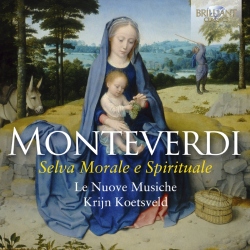
6:40
3
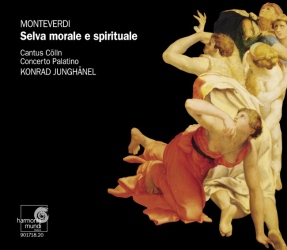
5:40