Johann Pachelbel
Fugue, for organ in F major, T. 278
Released Album
Recent Album
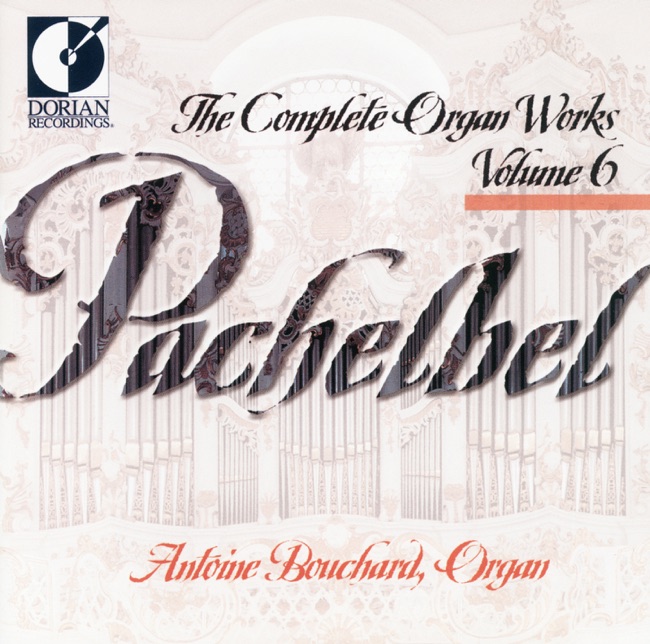
Works Info
Composer:Johann PachelbelGenre:KeyboardStyle:FugueCompose Date:before Apr 1706Publication Date:1901Average_duration:1:45Johann Pachelbel's Fugue in F major, T. 278, is a masterpiece of Baroque music. It was composed in the late 17th century and is one of Pachelbel's most famous works. The piece is written for the organ and is a prime example of the fugue form. The Fugue in F major is believed to have been composed around 1680, during Pachelbel's time as the organist at the Predigerkirche in Erfurt, Germany. The piece was likely composed for use in church services, as was common for organ music of the time. The Fugue in F major is a single movement piece, consisting of a single fugue. The fugue is a complex musical form that involves the repetition and development of a single theme throughout the piece. The theme, or subject, of the Fugue in F major is a simple, yet memorable melody that is introduced at the beginning of the piece. The fugue is structured in three main sections: the exposition, the development, and the recapitulation. In the exposition, the theme is introduced in the tonic key of F major. The theme is then repeated in the dominant key of C major, and then in the subdominant key of B-flat major. The exposition ends with a cadence in the tonic key. In the development section, the theme is developed and transformed through various techniques such as inversion, augmentation, and diminution. The development section is the most complex and varied section of the fugue, with Pachelbel showcasing his skill in counterpoint and harmony. The recapitulation section brings the piece back to the original theme and key, with the theme being restated in the tonic key of F major. The piece ends with a final cadence in the tonic key. The Fugue in F major is characterized by its intricate counterpoint, with multiple voices weaving in and out of each other in a complex web of sound. The piece is also notable for its use of pedal tones, with the organist sustaining a single note in the bass while the upper voices continue to move and develop the theme. Overall, the Fugue in F major is a stunning example of Baroque organ music, showcasing Pachelbel's mastery of the fugue form and his skill in counterpoint and harmony.More....
Works Music