Guillaume de Machaut
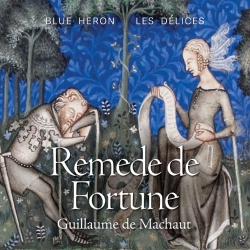
Le Remède de Fortune
Released Album
Recent Album
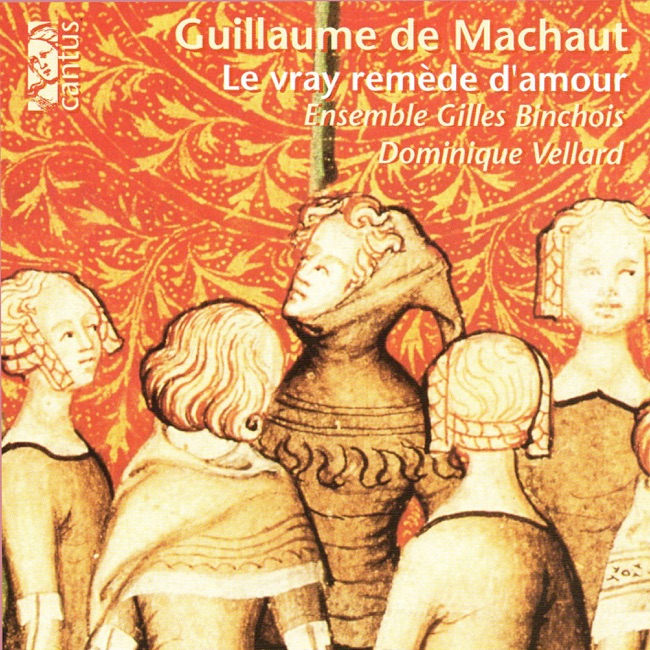
Works Info
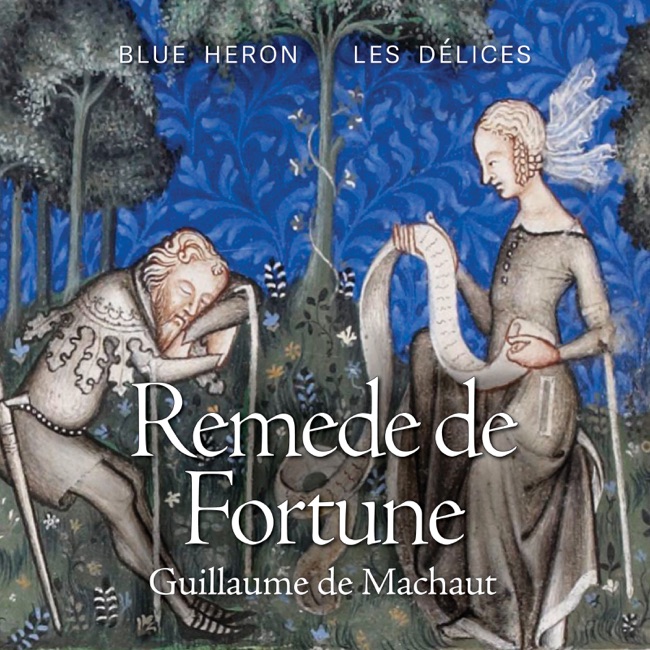
Composer:Guillaume de MachautGenre:MiscellaneousStyle:MiscellaneousLe Remède de Fortune is a 14th-century French poem composed by Guillaume de Machaut. It is a narrative poem that tells the story of a man who seeks a cure for his love sickness. The poem is divided into 33 chapters or "ballades," each with its own unique rhyme scheme and musical notation. The poem was composed in the early 14th century, and it is believed to have been completed around 1340. It was one of Machaut's most popular works, and it was widely circulated throughout Europe. The poem was also set to music by Machaut, and it is considered to be one of the earliest examples of a "song cycle." The premiere of Le Remède de Fortune is not known, but it is believed to have been performed at the court of King John II of France. The poem was written in the courtly love tradition, which was popular among the aristocracy of the time. It was also influenced by the troubadour tradition of southern France. The poem is divided into three main movements. The first movement consists of the first 15 ballades, which describe the narrator's love sickness and his search for a cure. The second movement consists of the next 15 ballades, which describe the narrator's encounters with various women who offer him advice and consolation. The third movement consists of the final three ballades, which describe the narrator's ultimate cure and his return to health. The characteristics of Le Remède de Fortune are typical of the courtly love tradition. The poem is highly stylized and formal, with a complex rhyme scheme and musical notation. It is also highly allegorical, with many of the characters and events representing abstract concepts such as love, beauty, and virtue. The poem is also notable for its use of irony and satire, which are used to critique the conventions of courtly love and the aristocratic society in which it was practiced. Overall, Le Remède de Fortune is a masterpiece of medieval literature and music. It is a testament to the creativity and sophistication of the courtly love tradition, and it continues to be studied and admired by scholars and enthusiasts of medieval culture.More....
Works Music
Released Music