Gabriel Fauré
Ici-Bas! in F sharp minor, Op. 8/3
Released Album
Recent Album

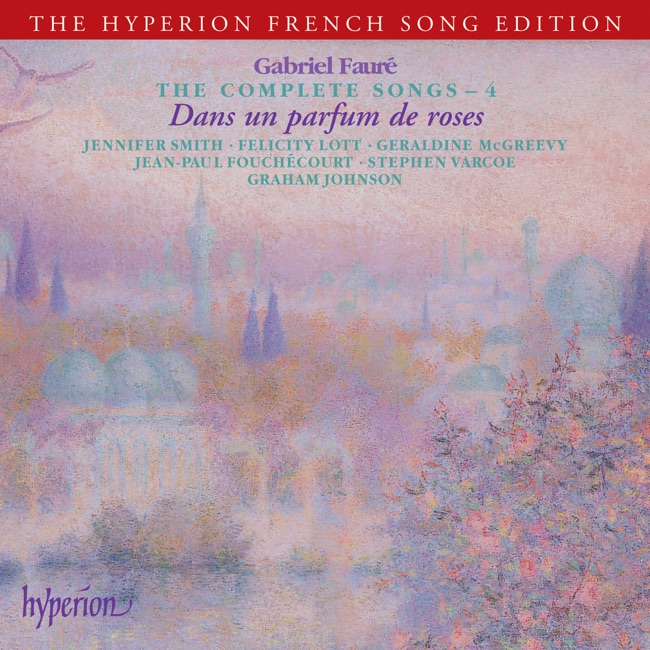
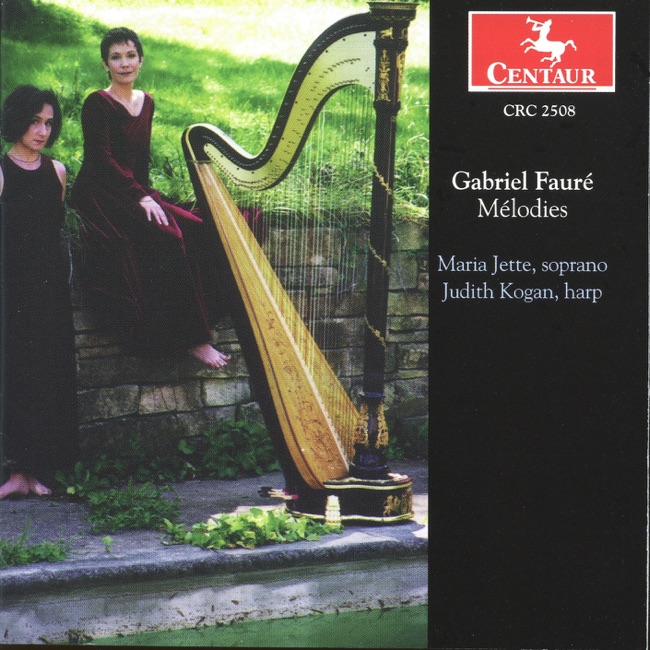
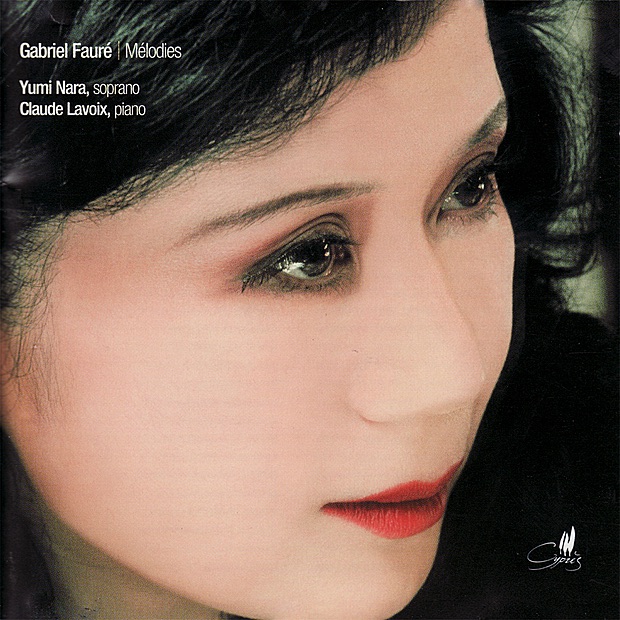
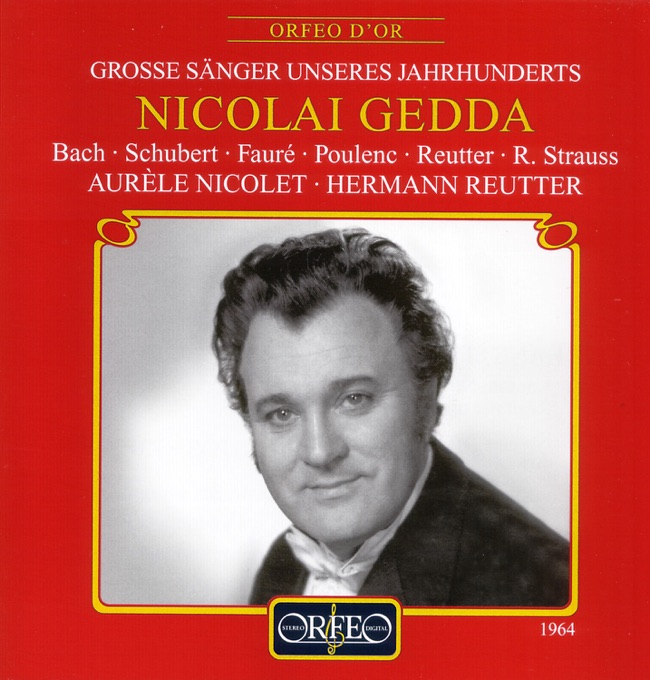
Featured Album
Works Info
Composer:Gabriel FauréGenre:VocalStyle:Song: Art SongCompose Date:Dec 12, 1874Publication Date:1877Average_duration:1:46"Ici-Bas!" in F sharp minor, Op. 8/3 is a song composed by Gabriel Fauré, a French composer, pianist, and teacher. The song was composed in 1870 and premiered in 1872. It is part of a set of three songs, collectively known as Trois mélodies, Op. 8. "Ici-Bas!" is a single-movement song that lasts for approximately four minutes. The song is written for a solo voice and piano accompaniment. The lyrics were written by Sully Prudhomme, a French poet and essayist, and they explore the theme of the transience of life and the longing for a better existence beyond this world. The song begins with a slow and melancholic introduction played by the piano, which sets the mood for the entire piece. The solo voice then enters, singing the first verse in a soft and mournful tone. The melody is simple and repetitive, with a descending motif that emphasizes the sadness and resignation of the lyrics. The second verse is more intense, with the voice rising to a higher register and the piano accompaniment becoming more complex and dramatic. The melody becomes more chromatic, with unexpected harmonies and dissonances that reflect the uncertainty and turmoil of the human condition. The third and final verse returns to the original melody and mood, with the voice singing softly and the piano playing a gentle accompaniment. The song ends with a quiet and unresolved chord, leaving the listener with a sense of longing and sadness. "Ici-Bas!" is a typical example of Fauré's style, which is characterized by its understated elegance, subtle harmonies, and expressive melodies. The song is also notable for its use of chromaticism and dissonance, which anticipate the harmonic innovations of the Impressionist movement in music. Overall, "Ici-Bas!" is a poignant and introspective song that captures the essence of Fauré's musical language and his poetic sensibility. It remains a popular and frequently performed piece in the repertoire of French art songs.More....
Works Music
Released Music

4
1:32
9
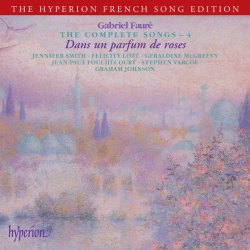
1:35
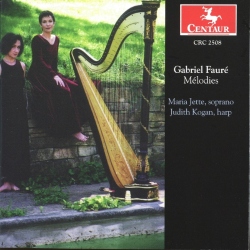
Featured Music