Morton Feldman
Structures
Released Album
Recent Album
Works Info
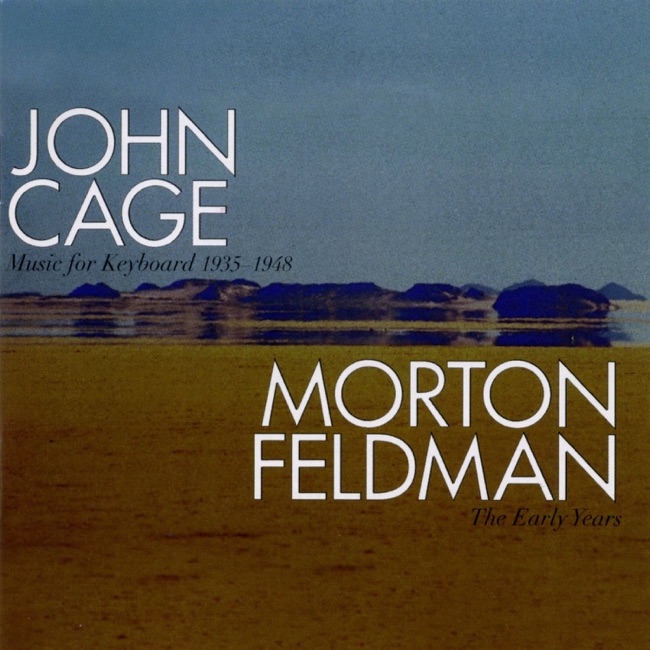
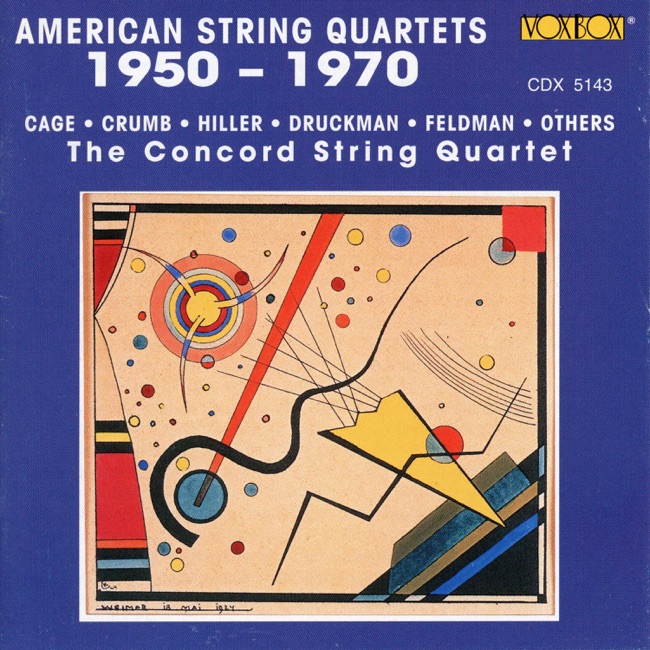
Composer:Morton FeldmanGenre:ChamberStyle:Open FormCompose Date:1951Average_duration:6:05Morton Feldman's "Structures" is a composition for solo piano that was composed in 1952. The piece premiered on May 16, 1952, at the Carnegie Recital Hall in New York City, performed by David Tudor. "Structures" is divided into three movements, each of which is characterized by its use of silence and space. The first movement is marked by its sparse, delicate textures, with the piano playing soft, isolated notes that are separated by long pauses. The second movement is more active, with the piano playing faster, more complex patterns that are still punctuated by moments of silence. The third movement returns to the sparse textures of the first, with the piano playing slow, sustained notes that gradually fade away. One of the most notable characteristics of "Structures" is its use of indeterminate notation. Rather than using traditional musical notation, Feldman used a system of graphic symbols and instructions that allowed the performer to interpret the piece in their own way. This approach gave the performer a great deal of freedom to shape the piece according to their own interpretation, and also allowed for a wide range of possible performances. Another important aspect of "Structures" is its exploration of the relationship between sound and silence. Feldman was interested in the way that silence could be used to shape the listener's perception of sound, and he used long pauses and silences throughout the piece to create a sense of tension and anticipation. This approach was influenced by Feldman's interest in the visual arts, particularly the work of abstract expressionist painters like Mark Rothko and Jackson Pollock. Overall, "Structures" is a groundbreaking work that helped to redefine the possibilities of contemporary music. Its use of indeterminate notation and exploration of silence and space have had a lasting impact on the development of experimental music, and it remains a challenging and rewarding piece for performers and listeners alike.More....
Works Music