Diego Ortiz
Recercada No. 4
Released Album
Recent Album
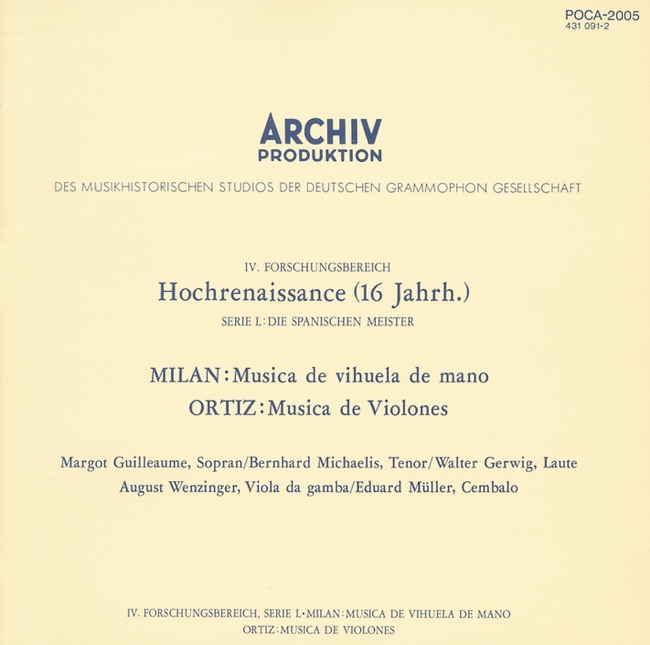
Featured Album
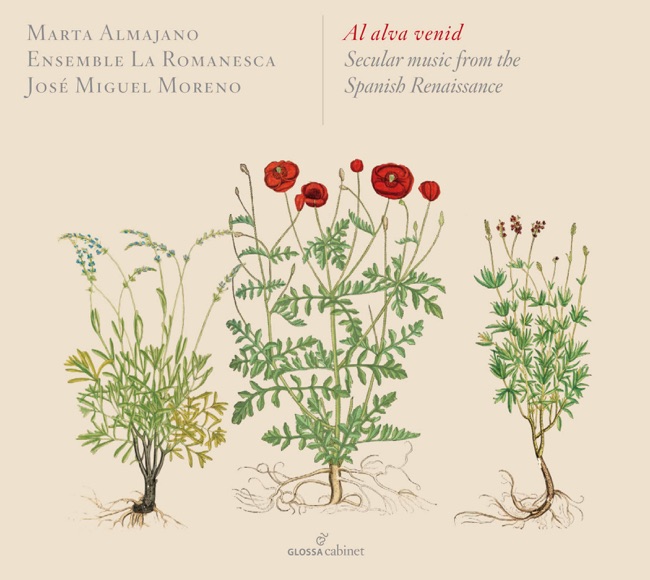
Works Info
Composer:Diego OrtizStyle:RicercarAverage_duration:2:07Diego Ortiz was a Spanish composer and music theorist who lived during the Renaissance period. He is best known for his collection of works titled "Trattado de Glosas," which was published in 1553. This collection includes a series of recercadas, which are instrumental pieces that were popular during the Renaissance. "Recercada No. 4" is one of the recercadas included in Ortiz's collection. It is believed to have been composed around the mid-16th century. The piece is written for a solo instrument, most likely a viola da gamba or a lute. The premiere of "Recercada No. 4" is unknown, as there are no records of performances from that time period. However, the piece has been performed and recorded by many musicians in modern times. "Recercada No. 4" is divided into three movements. The first movement is slow and contemplative, with a simple melody that is repeated and elaborated upon throughout the piece. The second movement is faster and more lively, with a more complex melody that is also repeated and developed. The third movement is a return to the slower tempo of the first movement, with a variation on the original melody. One of the characteristics of "Recercada No. 4" is its use of ornamentation. Ortiz was known for his skill in improvisation and ornamentation, and this is evident in the piece. The melody is embellished with trills, turns, and other decorative elements that add to the beauty and complexity of the music. Another characteristic of the piece is its use of counterpoint. Counterpoint is the technique of combining two or more melodies that are independent but harmonically related. "Recercada No. 4" features a complex interplay of melodies that create a rich and layered texture. Overall, "Recercada No. 4" is a beautiful and intricate piece of music that showcases Ortiz's skill as a composer and musician. Its use of ornamentation and counterpoint make it a prime example of Renaissance music, and it continues to be enjoyed and studied by musicians and music lovers today.More....
Works Music
Released Music
Featured Music