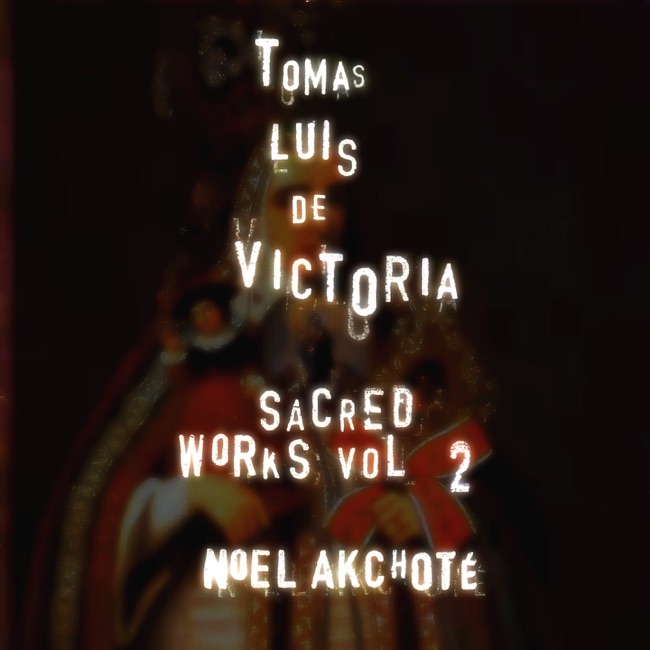
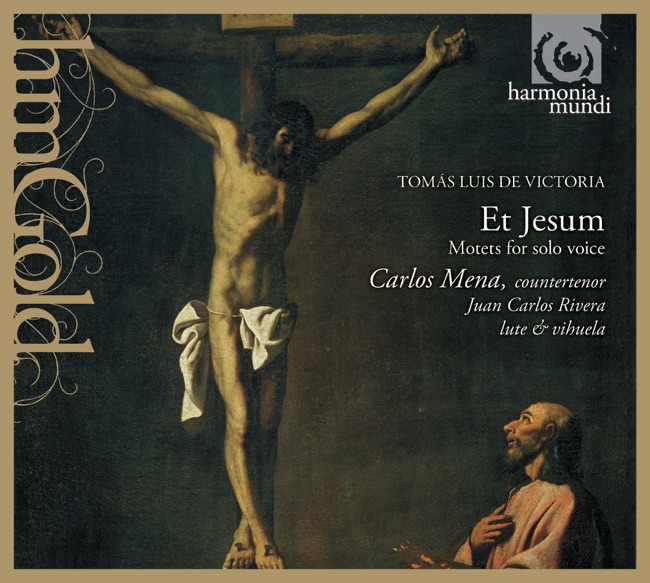
Tomás Luis de Victoria
Missa Quam pulchri sunt
Released Album
Recent Album
Works Info
Composer:Tomás Luis de VictoriaGenre:ChoralStyle:ChoralPublication Date:1583Tomás Luis de Victoria was a Spanish composer of the Renaissance period, known for his sacred choral music. One of his most famous works is the Missa Quam pulchri sunt, which was composed in the late 16th century. The Missa Quam pulchri sunt is a six-part mass, written for two choirs. It is based on the text of the Song of Solomon, which is a love poem in the Old Testament. The mass is divided into six movements: Kyrie, Gloria, Credo, Sanctus, Benedictus, and Agnus Dei. The Kyrie is a solemn and introspective movement, with the two choirs alternating in a call-and-response style. The Gloria is a joyful and exuberant movement, with the choirs singing in unison and harmony. The Credo is a longer movement, with the text of the Nicene Creed set to music. It is a complex and intricate movement, with the two choirs weaving in and out of each other. The Sanctus is a bright and uplifting movement, with the choirs singing in harmony. The Benedictus is a more subdued movement, with the two choirs alternating in a gentle and contemplative style. The Agnus Dei is a solemn and prayerful movement, with the two choirs singing in harmony. The Missa Quam pulchri sunt is characterized by its rich harmonies, intricate counterpoint, and expressive melodies. It is a masterful example of Renaissance polyphony, with the two choirs weaving in and out of each other in a complex and intricate manner. The mass is also notable for its use of chromaticism, which was a relatively new technique at the time. The Missa Quam pulchri sunt was premiered in Rome in the late 16th century, and it quickly became one of Victoria's most popular works. It has since become a staple of the choral repertoire, and it is still performed and recorded today.More....
Works Music