Max Reger
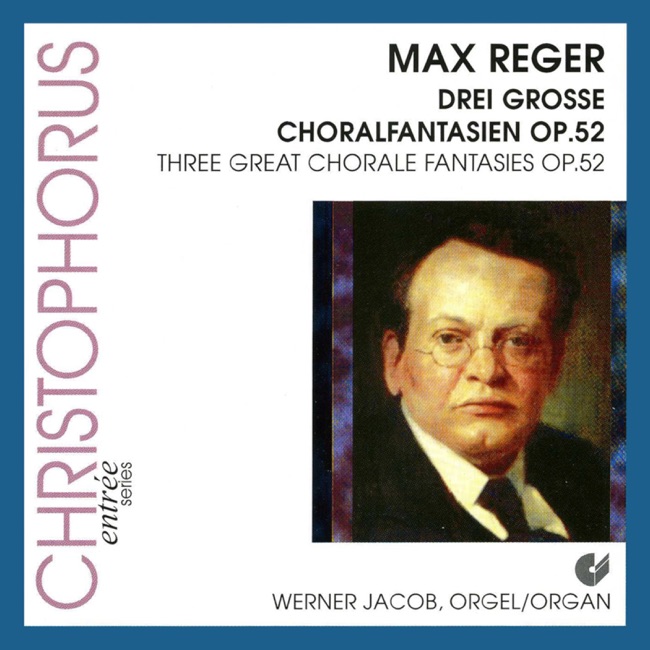
Chorale Fantasias (3), Op. 52
Released Album
Recent Album
-
-
-
 Johannes LamprechtSeptember 25, 2022
 -
-
-
-
-
-
-
-
-
Works Info
Composer:Max RegerGenre:KeyboardStyle:FantasyCompose Date:Sep 1900First Performance:May 12, 1901 - Nov 9, 1901Average_duration:55:52Movement_count:3Movement ....Max Reger's 'Chorale Fantasias (3), Op. 52' is a set of three organ pieces composed in 1900. The premiere of the work took place on November 18, 1900, in the St. Paul's Church in Frankfurt, Germany. The three movements of the work are based on traditional German chorales, which were a significant part of the Lutheran church's musical tradition. The first movement, 'Wie schön leuchtet der Morgenstern,' is a bright and joyful piece that captures the essence of the chorale's text, which speaks of the beauty of the morning star. The piece begins with a simple statement of the chorale melody, which is then developed and expanded upon through a series of intricate variations. The movement ends with a triumphant and exuberant coda. The second movement, 'Halleluja! Gott zu loben,' is a more contemplative and introspective piece that reflects the text's message of praise and thanksgiving to God. The movement begins with a quiet and meditative introduction, which leads into a series of variations on the chorale melody. The variations gradually build in intensity and complexity, culminating in a powerful and majestic climax. The third and final movement, 'Straf' mich nicht in deinem Zorn,' is a somber and introspective piece that reflects the text's message of repentance and forgiveness. The movement begins with a mournful statement of the chorale melody, which is then developed and expanded upon through a series of variations. The variations become increasingly complex and dissonant, reflecting the emotional turmoil of the text's message. The movement ends with a quiet and peaceful coda, which suggests the possibility of redemption and forgiveness. Overall, Reger's 'Chorale Fantasias (3), Op. 52' is a masterful example of his skill as an organ composer. The work showcases his ability to take traditional chorale melodies and transform them into complex and intricate works of art. The three movements of the work are united by their shared use of chorale melodies, but each movement has its own distinct character and emotional tone. The work remains a beloved and frequently performed piece in the organ repertoire.More....
Works Music
Released Music
5
Chorale Fantasias (3), Op. 52
No. 3, Über den Choral 'Halleluja, Gott zu loben bleibe meine Seelenfreud'
15:41