


Guillaume de Machaut
S'il estoit nulz/S'amours tous/Et gaudebit cor vestrum
Released Album
Recent Album
Works Info
Composer:Guillaume de MachautGenre:ChoralStyle:MotetAverage_duration:2:26Guillaume de Machaut was a French poet and composer of the 14th century. He is considered one of the most important composers of the Ars Nova style, which was characterized by complex rhythms and harmonies. One of his most famous works is the motet "S'il estoit nulz/S'amours tous/Et gaudebit cor vestrum," which was composed around 1350. The motet is written for three voices and is divided into three movements. The first movement, "S'il estoit nulz," is in the form of a rondeau and is sung by the tenor voice. The text is in French and describes the pain of unrequited love. The melody is simple and repetitive, with a descending motif that emphasizes the melancholic mood of the text. The second movement, "S'amours tous," is in the form of a ballade and is sung by the alto voice. The text is also in French and praises the power of love to overcome all obstacles. The melody is more complex than the first movement, with intricate rhythms and harmonies that reflect the joyous mood of the text. The third movement, "Et gaudebit cor vestrum," is in the form of a virelai and is sung by the soprano voice. The text is in Latin and is taken from the Bible (John 16:22), which speaks of the joy that comes from the resurrection of Christ. The melody is the most complex of the three movements, with intricate polyphony and a soaring soprano line that reflects the exultant mood of the text. Overall, "S'il estoit nulz/S'amours tous/Et gaudebit cor vestrum" is a masterpiece of the Ars Nova style. It showcases Machaut's skill as a composer and his ability to create complex and beautiful music that reflects the emotions of the text. The motet premiered in the 14th century and continues to be performed and admired by musicians and music lovers today.More....
Works Music
Released Music
1
2:11
2
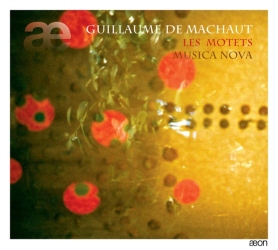
S'il estoit nullz/S'amours tous/Et gaudebit cor vestrum
Motet No. 6 S'il estoit nuls qui pleindre se deüst
1:51
3
4:14