


Carl Philipp Emanuel Bach
Trost der Erlösung, H. 686/30, Wq. 194/30
Released Album
Recent Album
Works Info
Composer:Carl Philipp Emanuel BachGenre:VocalStyle:Vocal MusicCompose Date:1757 - 1758Publication Date:1764Average_duration:0:55Carl Philipp Emanuel Bach's 'Trost der Erlösung' is a sacred cantata composed in 1780. The piece was premiered in Hamburg, Germany, on the 4th Sunday after Easter. The cantata consists of three movements, each with its own unique characteristics. The first movement, 'Trost der Erlösung,' is a duet for soprano and alto. The piece begins with a slow and mournful introduction, with the two voices singing in unison. The music gradually builds in intensity, with the voices becoming more animated and expressive. The duet is characterized by its use of chromaticism and dissonance, which create a sense of tension and unease. The text of the movement speaks of the comfort that comes from the knowledge of salvation, and the music reflects this with its gradual shift from darkness to light. The second movement, 'Ich bin ein Gast auf Erden,' is a solo aria for bass. The piece is characterized by its simple, yet elegant melody, which is accompanied by a gentle, flowing accompaniment. The text of the movement speaks of the transience of life and the need to prepare for the afterlife. The music reflects this with its gentle, contemplative mood, which gradually builds in intensity as the bass sings of the joys of heaven. The final movement, 'Herr, wenn ich nur dich habe,' is a chorale for four-part choir. The piece is characterized by its simple, yet powerful harmonies, which are accompanied by a lively, energetic accompaniment. The text of the movement speaks of the desire to be close to God and to live a life of faith. The music reflects this with its joyful, celebratory mood, which is characterized by its use of lively rhythms and bright, uplifting harmonies. Overall, 'Trost der Erlösung' is a powerful and moving work that showcases Carl Philipp Emanuel Bach's skill as a composer. The piece is characterized by its use of chromaticism, dissonance, and simple, yet elegant melodies, which combine to create a sense of tension and release. The text of the cantata speaks of the comfort that comes from the knowledge of salvation, and the music reflects this with its gradual shift from darkness to light.More....
Works Music
Released Music
1
Consolation of Redemption, H. 686/30, Wq. 194/30
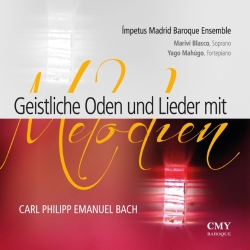
Trost der Erlösung, Wq 194/30 (Geistliche Oden und Lieder)
1:21
2
1:26
3
55
Main Perform Artists