Charles Ives
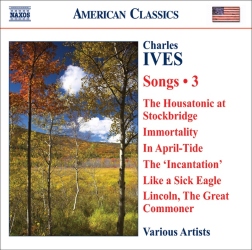
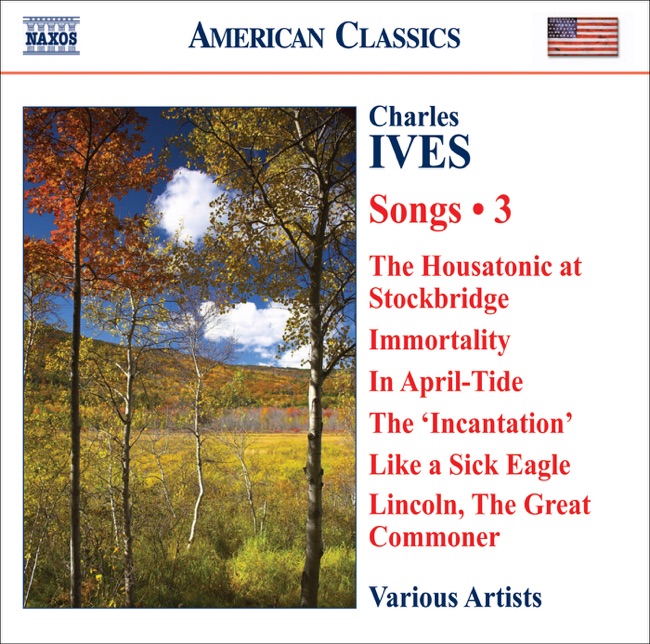
Immortality, S. 273
Released Album
Recent Album
Works Info
Composer:Charles IvesGenre:VocalStyle:Vocal MusicCompose Date:Mar 1921Publication Date:1922First Performance:Feb 15, 1935Average_duration:1:39"Immortality, S. 273" is a choral work composed by Charles Ives in 1934. It was premiered on May 20, 1934, by the New York Philharmonic under the direction of John Barbirolli. The piece is divided into three movements, each with its own unique characteristics. The first movement, "Nature's Way," is a setting of a poem by John Burroughs. It begins with a serene and peaceful melody sung by the choir, accompanied by a gentle piano. The music gradually builds in intensity as the choir sings of the beauty and power of nature. The movement ends with a triumphant climax, as the choir proclaims that "Nature's way is the way of life." The second movement, "The Answer," is a setting of a poem by Robert Frost. It begins with a haunting melody sung by the choir, accompanied by a sparse piano. The music gradually becomes more complex and dissonant as the choir sings of the mystery of life and death. The movement ends with a quiet and contemplative section, as the choir asks the question, "What is the answer?" The third movement, "The Things Our Fathers Loved," is a setting of a poem by Sara Teasdale. It begins with a nostalgic melody sung by the choir, accompanied by a lush piano. The music gradually becomes more complex and intense as the choir sings of the things that their fathers loved, such as "the smell of apples in a cellar bin" and "the sound of feet upon the floor." The movement ends with a triumphant climax, as the choir proclaims that "these things shall never die." Overall, "Immortality, S. 273" is a powerful and moving work that explores the themes of nature, life, death, and memory. Charles Ives' use of complex harmonies and dissonant chords creates a sense of tension and mystery, while the choir's beautiful melodies and poignant lyrics evoke a sense of wonder and awe.More....
Works Music
Released Music