César Franck
Motets (3), M. 56-58
Released Album
Recent Album
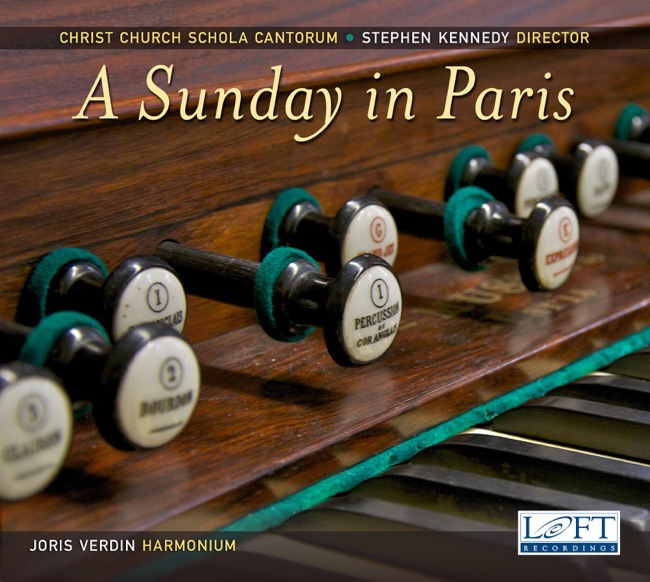
Featured Album
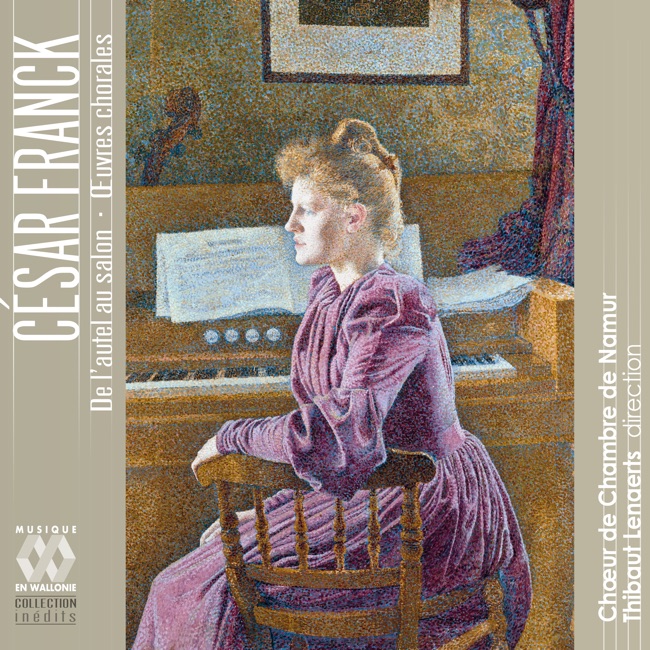
Works Info
Composer:César FranckGenre:VocalStyle:MotetCompose Date:1858Publication Date:1865Average_duration:9:32Movement_count:3Movement ....César Franck's 'Motets (3)', M. 56-58, is a collection of three sacred choral works composed in 1886. The premiere of the motets took place on May 22, 1886, at the Church of Sainte-Clotilde in Paris, where Franck was the organist and choirmaster. The three movements of the motets are titled "Beati quorum via", "Laudate Dominum", and "Tantum ergo". Each movement is written for four-part mixed choir a cappella, with the exception of "Tantum ergo", which includes an optional organ accompaniment. The first movement, "Beati quorum via", is a setting of Psalm 119:1-3. The text speaks of the blessedness of those who walk in the law of the Lord. Franck's setting is characterized by its flowing, lyrical lines and rich harmonies. The choir sings in homophonic texture, with occasional moments of polyphony. The second movement, "Laudate Dominum", is a setting of Psalm 117. The text calls upon all nations to praise the Lord. Franck's setting is joyful and exuberant, with lively rhythms and bright harmonies. The choir sings in a mixture of homophonic and polyphonic textures, with frequent changes in tempo and dynamics. The final movement, "Tantum ergo", is a setting of the last two verses of the hymn "Pange Lingua". The text speaks of the mystery of the Eucharist and the power of faith. Franck's setting is solemn and reverent, with a simple melody and rich harmonies. The choir sings in homophonic texture, with the organ providing a gentle accompaniment. Overall, Franck's 'Motets (3)' is a masterful example of his skill in choral composition. The motets showcase his ability to create rich harmonies, flowing melodies, and varied textures. They are a testament to his deep faith and his commitment to the sacred music tradition.More....