Diego Ortiz
Recercada tercera sobre La Spagna
Released Album
Recent Album
Works Info
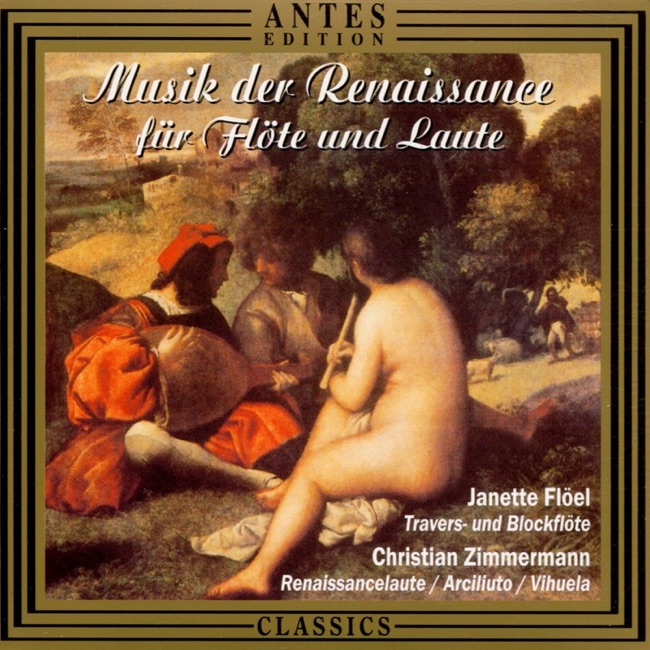
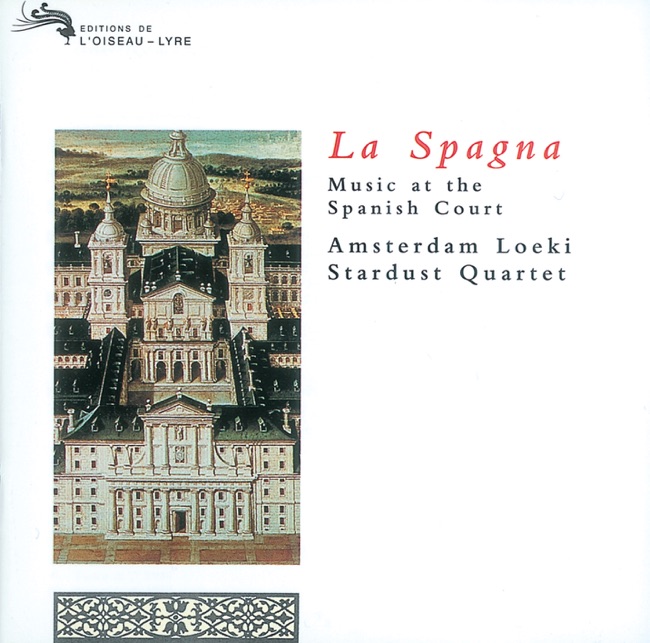
Composer:Diego OrtizGenre:ChamberAverage_duration:1:55Diego Ortiz was a Spanish composer and music theorist who lived in the 16th century. He is best known for his collection of music entitled "Trattado de Glosas," which was published in Rome in 1553. This collection contains a series of variations on popular tunes of the time, including "La Spagna," which was a popular dance tune in Renaissance Europe. "Recercada tercera sobre La Spagna" is one of the pieces in Ortiz's "Trattado de Glosas." It is a variation on the tune "La Spagna," which was a popular dance tune in Renaissance Europe. The piece is written for a solo instrument, most likely a viola da gamba or a lute. The piece is divided into several movements, each of which explores different variations on the theme of "La Spagna." The first movement is a simple statement of the theme, followed by a series of variations that explore different aspects of the melody. The second movement is a more complex variation, with intricate ornamentation and a more elaborate harmonic structure. The third movement is a slower, more contemplative variation, with a more lyrical melody and a more introspective mood. One of the characteristics of "Recercada tercera sobre La Spagna" is its use of ornamentation. Ortiz was known for his skill in ornamentation, and this piece is no exception. The variations on the theme are filled with trills, turns, and other embellishments that add to the complexity and beauty of the music. Another characteristic of the piece is its use of harmony. Ortiz was one of the first composers to explore the possibilities of harmony in instrumental music, and this piece is a good example of his skill in this area. The variations on the theme explore different harmonic possibilities, with unexpected chord progressions and unusual harmonies that add to the interest and complexity of the music. "Recercada tercera sobre La Spagna" was first published in 1553 as part of Ortiz's "Trattado de Glosas." It is still performed today by musicians who specialize in early music, and it is considered one of the most important pieces of instrumental music from the Renaissance period.More....