


Dmitry Shostakovich
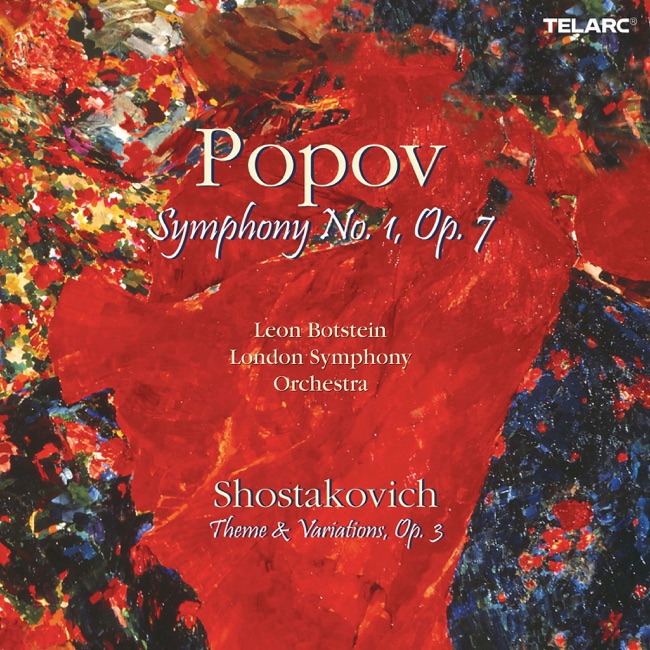
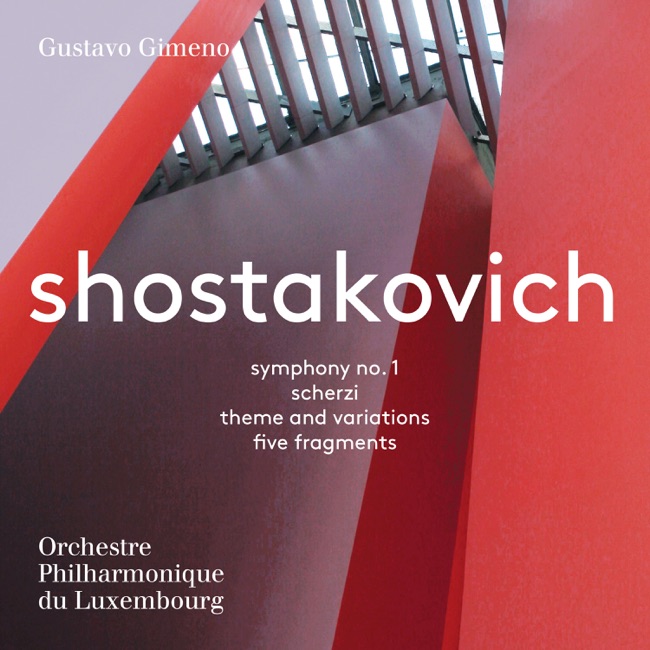
Theme & Variations for orchestra in B flat major, Op. 3
Released Album
Recent Album
Featured Album
Works Info
Composer:Dmitry ShostakovichGenre:OrchestralStyle:VariationsCompose Date:1921 - 1922Average_duration:15:30Movement_count:15Movement ....Dmitry Shostakovich's "Theme & Variations for orchestra in B flat major, Op. 3" was composed in 1922 when the composer was only 16 years old. The piece was premiered on May 25, 1923, in Leningrad, conducted by Nikolai Malko. The work consists of a theme and five variations, with a coda that brings the piece to a close. The theme is a simple, lyrical melody played by the strings, which is then taken up by the woodwinds. The first variation is a lively, dance-like section featuring the woodwinds and brass. The second variation is slower and more contemplative, with a prominent role for the solo violin. The third variation is a scherzo, with a playful and energetic character. The fourth variation is a lush and romantic section featuring the strings. The final variation is a triumphant and grandiose section, with the full orchestra playing in unison. Throughout the piece, Shostakovich demonstrates his skill in orchestration, using the different sections of the orchestra to create a variety of textures and moods. The work also showcases his ability to develop a simple theme into a complex and varied composition. Despite being composed at a young age, "Theme & Variations for orchestra in B flat major, Op. 3" displays many of the characteristics that would become hallmarks of Shostakovich's later works, such as his use of irony, sarcasm, and dark humor. The piece also demonstrates his mastery of traditional forms, which he would later subvert and deconstruct in his more experimental works. Overall, "Theme & Variations for orchestra in B flat major, Op. 3" is a charming and accomplished work that foreshadows the brilliance of Shostakovich's later compositions.More....
Works Music
Released Music
1
15:22
2
Theme & Variations for orchestra in B flat major, Op. 3
Theme & Variations in B-Flat Major, Op. 3
15:22
3
Theme & Variations for orchestra in B flat major, Op. 3
Theme and Variations in B-Flat Major, Op. 3
15:22
4
15:22
5
51
Featured Music
1
Theme & Variations for orchestra in B flat major, Op. 3
Theme and Variations for orchestra in B-flat major Op. 3
15:25