


Giovanni Antonio Pandolfi
Sonatas (6), for violin & cembalo, Op. 3
Released Album
Recent Album
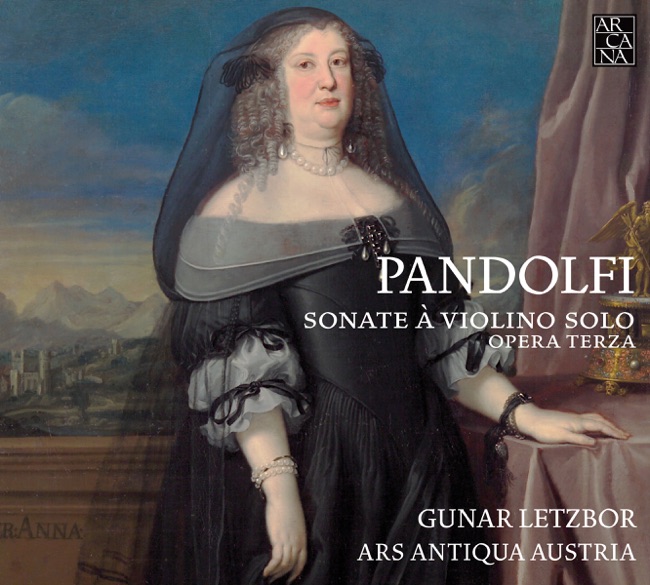
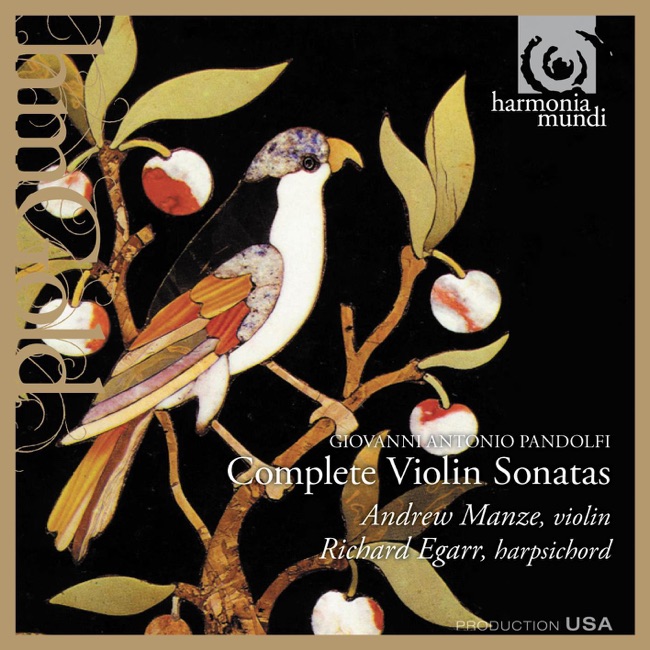
Featured Album

Works Info
Composer:Giovanni Antonio PandolfiGenre:ChamberStyle:Chamber MusicAverage_duration:39:59Giovanni Antonio Pandolfi's 'Sonatas (6), for violin & cembalo, Op. 3' is a collection of six sonatas composed for violin and harpsichord. The sonatas were composed in the Baroque era and were first published in 1733. The premiere of the sonatas is not known, but they were likely performed in private settings for aristocratic patrons. The six sonatas are each composed of four movements: a slow introduction, a fast allegro, a slow movement, and a final allegro. The sonatas are written in the traditional sonata da chiesa form, which was commonly used in Baroque music. This form consists of four movements, with the first and third movements being slow and the second and fourth movements being fast. The first movement of each sonata is a slow introduction that sets the mood for the piece. The second movement is a fast allegro that showcases the virtuosity of the violinist. The third movement is a slow movement that provides a contrast to the fast second movement. The final movement is another fast allegro that brings the piece to a lively conclusion. The sonatas are characterized by their use of ornamentation, which was a common feature of Baroque music. The violin part is highly virtuosic, with fast runs and intricate passages that require a skilled performer. The harpsichord part provides a supportive accompaniment to the violin, with occasional solo passages. Overall, Pandolfi's 'Sonatas (6), for violin & cembalo, Op. 3' is a fine example of Baroque chamber music. The sonatas are well-crafted and showcase the talents of both the violinist and the harpsichordist. They remain popular with performers and audiences today, and are frequently performed in concert halls and recital venues around the world.More....
Works Music
Released Music
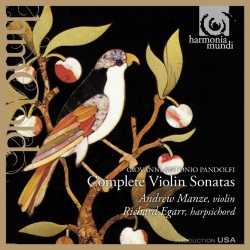

Featured Music

Main Perform Artists