Alexander Agricola
Tout a part moy 1 a 4
Released Album
Recent Album
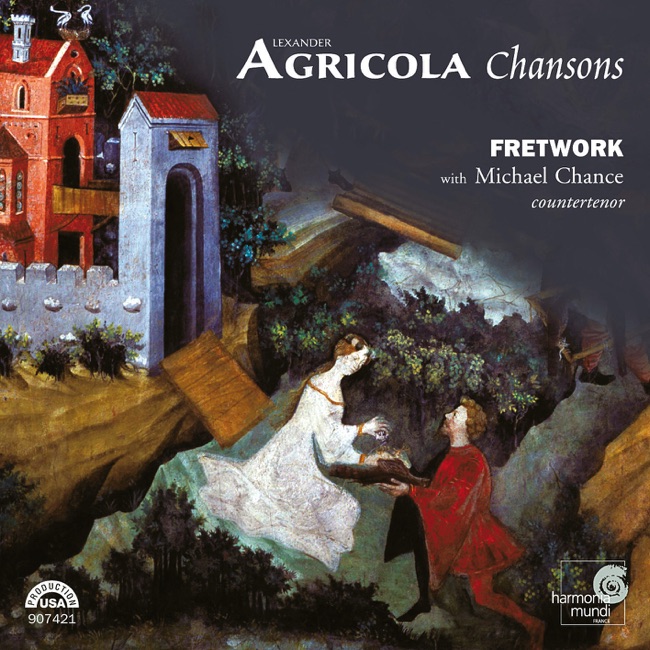
Featured Album
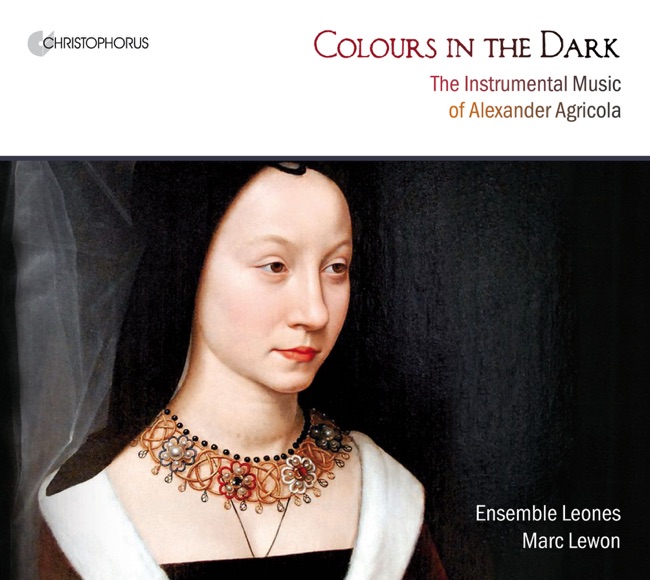
Works Info
Composer:Alexander AgricolaGenre:VocalStyle:Vocal MusicAverage_duration:2:58"Tout a part moy 1 a 4" is a chanson composed by Alexander Agricola, a Flemish composer of the Renaissance period. The piece was composed in the late 15th century, around 1490-1500. It is a four-part chanson, which means that it is written for four voices: soprano, alto, tenor, and bass. The chanson was premiered in the courts of Burgundy, where Agricola was employed as a musician. It was a popular genre of music during the Renaissance, and Agricola was one of the most prominent composers of chansons during his time. The piece is divided into four movements, each with its own distinct characteristics. The first movement is in a lively tempo and features a playful melody that is passed between the different voices. The second movement is slower and more contemplative, with a more complex harmonic structure. The third movement is in a faster tempo again, with a more rhythmic melody that is repeated throughout the piece. The final movement is in a slower tempo and features a more complex harmonic structure, with the different voices weaving in and out of each other. One of the characteristics of Agricola's chansons is his use of imitation, where one voice will repeat a melody that has just been played by another voice. This creates a sense of unity and coherence throughout the piece, as well as adding complexity and interest to the music. Another characteristic of Agricola's chansons is his use of word painting, where the music reflects the meaning of the lyrics. For example, in "Tout a part moy 1 a 4", the playful melody of the first movement reflects the lighthearted nature of the lyrics, while the more complex harmonies of the second and fourth movements reflect the more serious and contemplative nature of the lyrics. Overall, "Tout a part moy 1 a 4" is a prime example of Agricola's skill as a composer of chansons. Its lively melodies, complex harmonies, and use of imitation and word painting make it a masterpiece of Renaissance music.More....