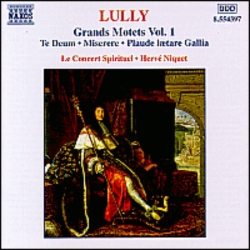
Jean-Baptiste Lully
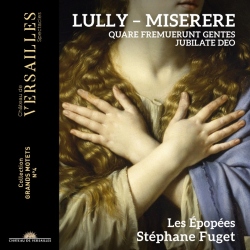
Miserere, LWV 25
Released Album
Recent Album
Works Info
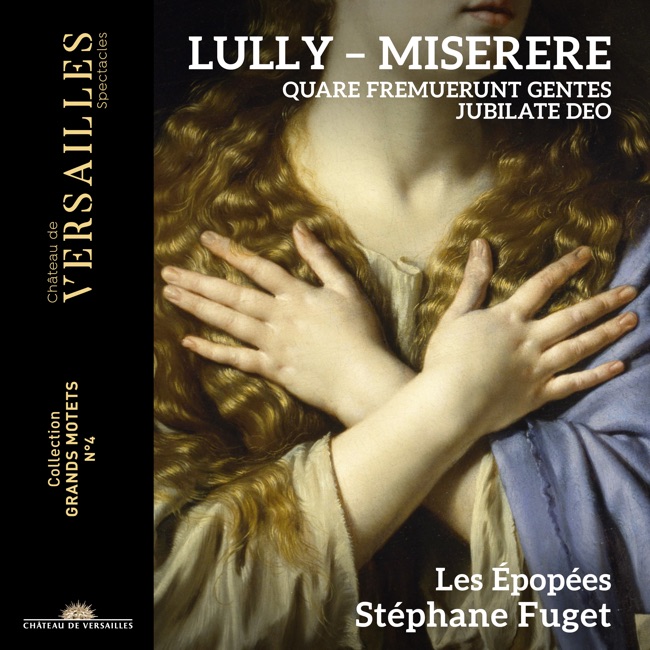
Composer:Jean-Baptiste LullyGenre:ChoralStyle:MotetCompose Date:1663Publication Date:1684Average_duration:22:06Jean-Baptiste Lully's "Miserere, LWV 25" is a sacred choral work composed in the 17th century. It was first performed on Good Friday in 1664 at the Chapel Royal of the Louvre in Paris. The piece is divided into nine movements, each with its own distinct character and musical style. The first movement, "Miserere mei Deus," is a solemn and plaintive setting of the psalm text. The choir sings in unison, accompanied by a simple organ accompaniment. The second movement, "Tibi soli peccavi," is a solo aria for a tenor voice. The music is more ornate and expressive, reflecting the penitent nature of the text. The third movement, "Ecce enim in iniquitatibus," is a duet for two sopranos. The music is lively and dance-like, with a playful interplay between the two voices. The fourth movement, "Asperges me hyssopo," is a short choral setting of a text from the Book of Psalms. The music is simple and austere, with a focus on the text. The fifth movement, "Auditui meo dabis gaudium," is a solo aria for a bass voice. The music is more elaborate and virtuosic, with a lively and joyful character. The sixth movement, "Cor mundum crea in me," is a choral setting of a text from the Book of Psalms. The music is more complex and harmonically rich, with a focus on the text. The seventh movement, "Ne projicias me a facie tua," is a solo aria for a soprano voice. The music is more expressive and emotional, with a sense of urgency and pleading in the text. The eighth movement, "Redde mihi laetitiam salutaris tui," is a duet for two sopranos. The music is more joyful and celebratory, with a sense of thanksgiving in the text. The final movement, "Domine labia mea aperies," is a choral setting of a text from the Book of Psalms. The music is more elaborate and grand, with a sense of triumph and exaltation in the text. Overall, "Miserere, LWV 25" is a masterful example of Lully's skill in composing sacred choral music. The piece showcases a range of musical styles and moods, from solemn and penitent to joyful and celebratory. The music is characterized by Lully's signature use of dance rhythms and harmonies, as well as his skill in setting text to music.More....
Works Music
Released Music