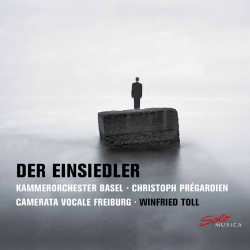
Max Reger
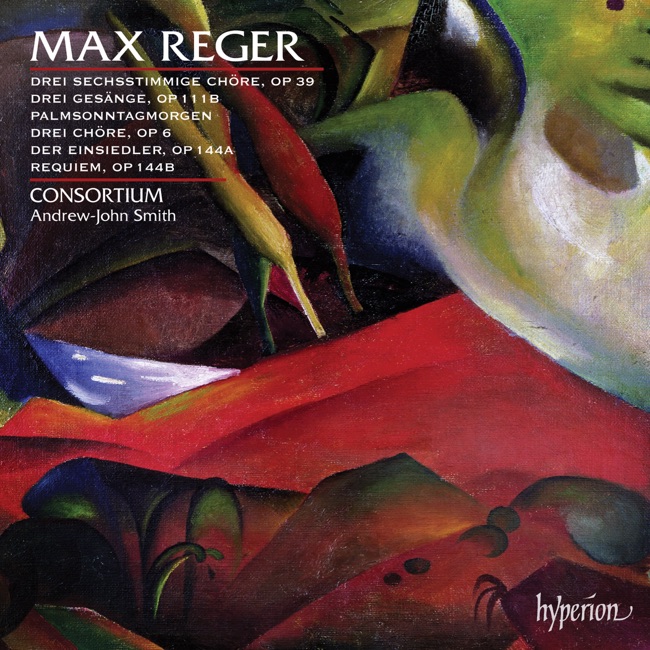
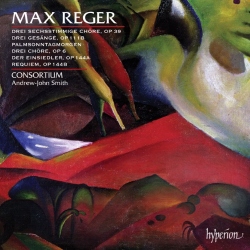
Requiem, Op. 144b
Released Album
Recent Album
-
-
 Various ArtistsJune 29, 2018
 -
-
Featured Album
Works Info
Composer:Max RegerGenre:ChoralStyle:RequiemCompose Date:Aug 1915First Performance:Jul 16, 1916Average_duration:16:03Max Reger's Requiem, Op. 144b, was composed in 1915 and premiered on March 4, 1916, in Leipzig, Germany. The work is divided into seven movements and is scored for a large orchestra, mixed choir, and soloists. The first movement, "Requiem aeternam," begins with a somber and mournful introduction by the orchestra, followed by the choir's entrance with the text "Requiem aeternam dona eis, Domine" (Grant them eternal rest, O Lord). The movement is characterized by its use of chromaticism and dissonance, which create a sense of tension and unease. The second movement, "Dies irae," is a dramatic and powerful depiction of the Day of Judgment. The choir sings the text "Dies irae, dies illa" (Day of wrath, that day), while the orchestra provides a driving and relentless accompaniment. The movement features a solo quartet and ends with a haunting and ominous coda. The third movement, "Domine Jesu Christe," is a prayer for mercy and forgiveness. The choir sings the text "Domine Jesu Christe, Rex gloriae, libera animas omnium fidelium defunctorum" (Lord Jesus Christ, King of glory, deliver the souls of all the faithful departed). The movement is characterized by its use of rich harmonies and lush orchestration. The fourth movement, "Hostias," is a contemplative and introspective meditation on sacrifice. The choir sings the text "Hostias et preces tibi, Domine, laudis offerimus" (We offer to you, O Lord, sacrifices and prayers of praise). The movement features a solo cello and ends with a quiet and peaceful coda. The fifth movement, "Sanctus," is a joyful and celebratory hymn of praise. The choir sings the text "Sanctus, Sanctus, Sanctus, Dominus Deus Sabaoth" (Holy, holy, holy, Lord God of hosts), while the orchestra provides a lively and energetic accompaniment. The movement features a solo soprano and ends with a triumphant coda. The sixth movement, "Agnus Dei," is a prayer for mercy and peace. The choir sings the text "Agnus Dei, qui tollis peccata mundi, dona eis requiem" (Lamb of God, who takes away the sins of the world, grant them rest). The movement is characterized by its use of gentle and soothing harmonies. The final movement, "Lux aeterna," is a hymn of hope and consolation. The choir sings the text "Lux aeterna luceat eis, Domine" (May eternal light shine upon them, O Lord), while the orchestra provides a radiant and uplifting accompaniment. The movement features a solo soprano and ends with a majestic and triumphant coda. Overall, Reger's Requiem, Op. 144b, is a powerful and deeply emotional work that explores themes of death, judgment, and redemption. Its use of rich harmonies, lush orchestration, and dramatic contrasts create a sense of awe and reverence, while its moments of quiet introspection and consolation provide comfort and hope.More....
Works Music
Released Music
Featured Music