Henry Purcell
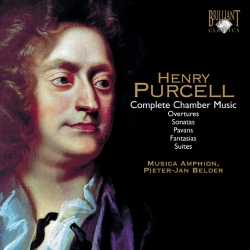
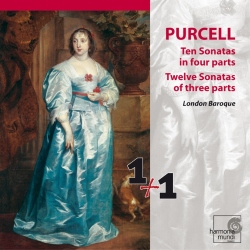
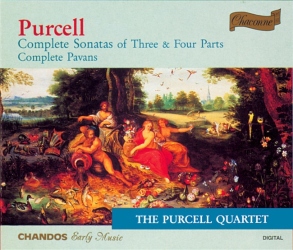
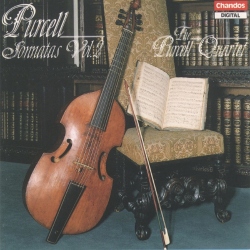
Sonata in 4 parts No. 1 in B minor, Z. 802
Released Album
Recent Album
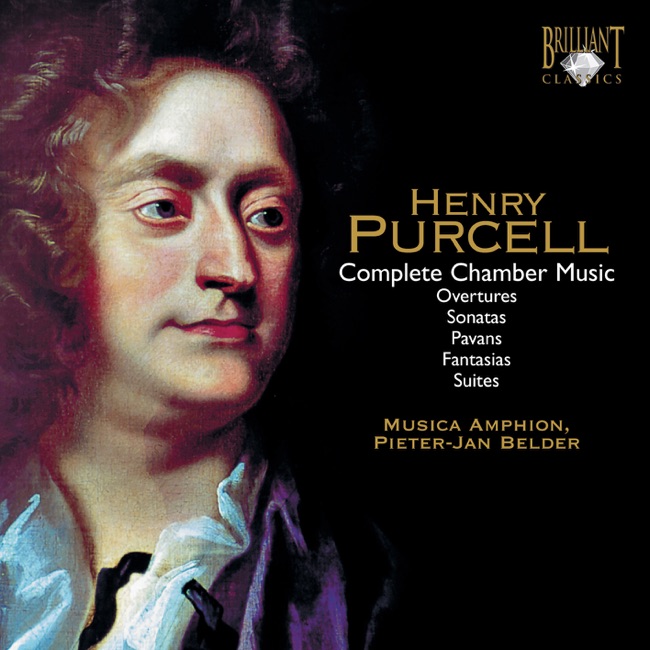
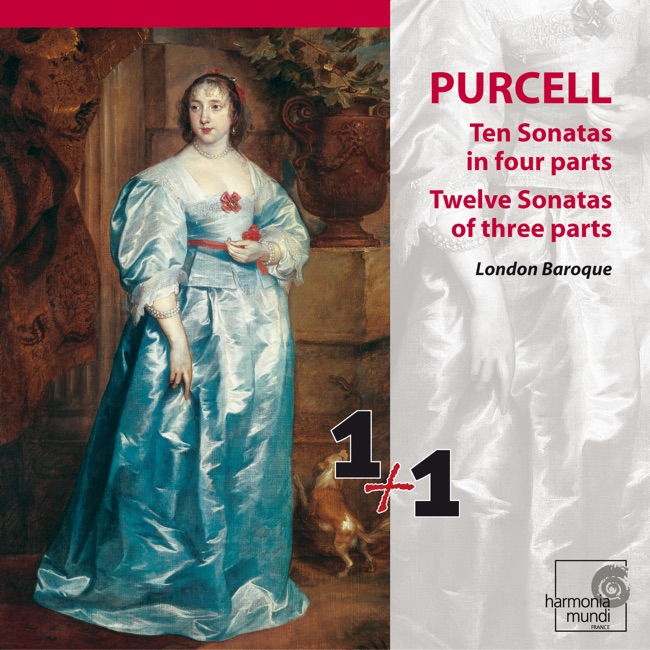
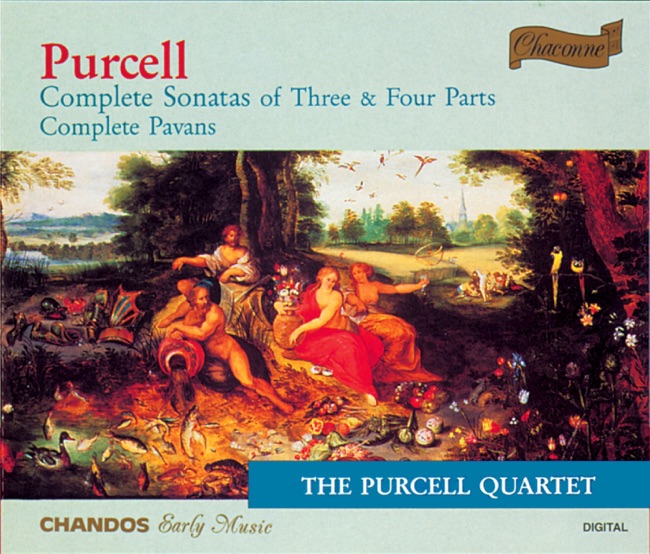
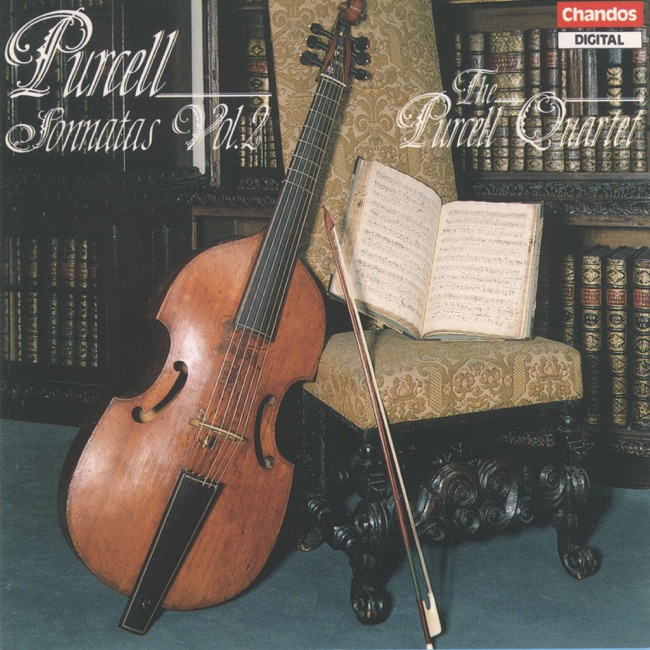
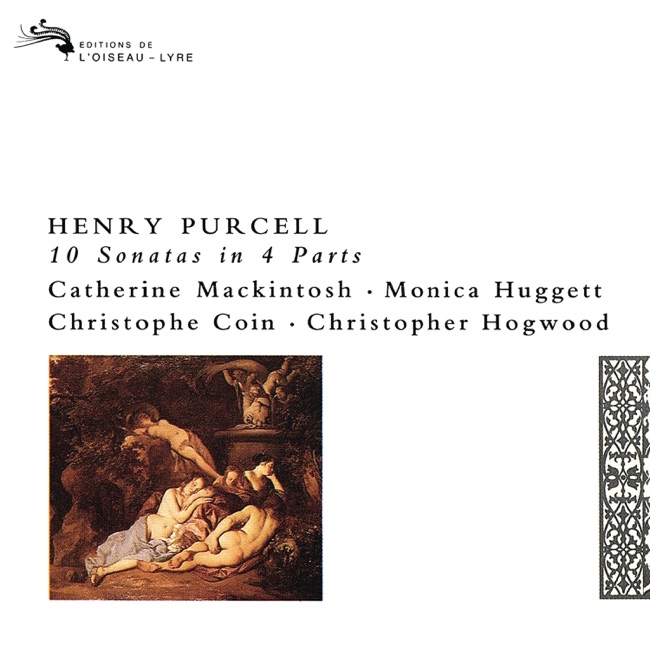
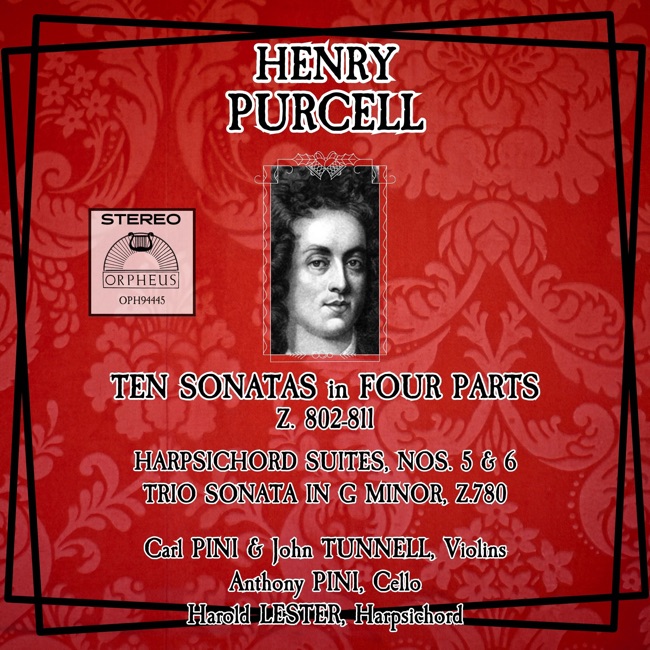
Featured Album
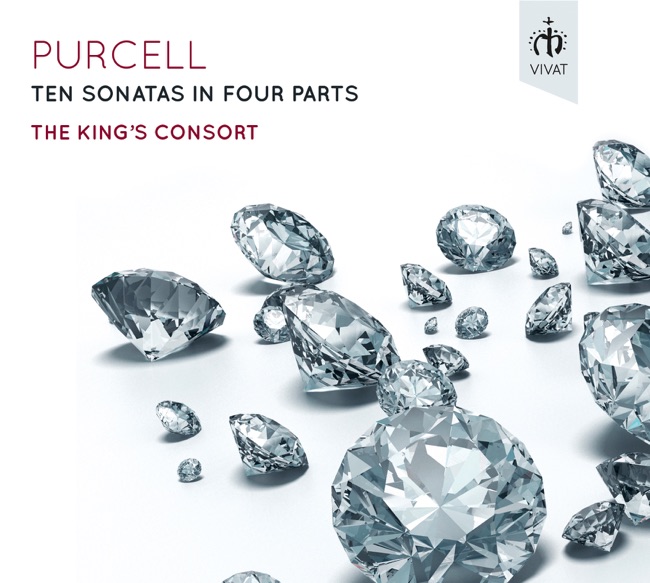
Works Info
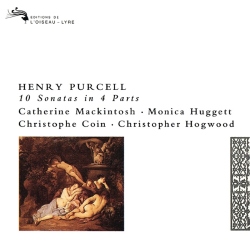
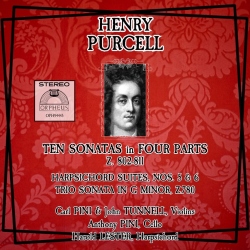
Composer:Henry PurcellGenre:ChamberStyle:SonataCompose Date:ca. 1680Average_duration:6:04Movement_count:5Movement ....Henry Purcell's 'Sonata in 4 parts No. 1 in B minor, Z. 802' is a Baroque instrumental work composed in the late 17th century. The exact date of composition is unknown, but it is believed to have been written around 1683-1684. The piece was first premiered in London, England, likely at one of the many public concerts that were popular during Purcell's time. The 'Sonata in 4 parts No. 1 in B minor' is comprised of four movements: a slow introduction, a fast allegro, a slow adagio, and a final allegro. The piece is scored for two violins, viola, and basso continuo (usually played on a harpsichord or organ). The use of the basso continuo was a common feature of Baroque music, providing a harmonic foundation for the other instruments to play over. The first movement of the sonata is a slow introduction, marked "Largo." It features a somber, mournful melody played by the violins and viola, with the basso continuo providing a simple, repetitive accompaniment. This introduction sets the mood for the rest of the piece, which is characterized by its melancholic and introspective tone. The second movement is a fast allegro, marked "Allegro ma non troppo." This movement is more lively and energetic than the first, with the violins and viola playing fast, intricate melodies over a driving bass line. The use of counterpoint (the interweaving of multiple melodies) is a hallmark of Baroque music, and is particularly evident in this movement. The third movement is a slow adagio, marked "Adagio ma non troppo." This movement is the emotional heart of the piece, with the violins and viola playing a beautiful, expressive melody over a simple, chordal accompaniment. The use of dissonance (harsh, clashing notes) adds to the emotional intensity of the movement, which is one of the most beautiful and poignant in all of Baroque music. The final movement is a fast allegro, marked "Allegro moderato." This movement is a lively, dance-like finale, with the violins and viola playing fast, syncopated rhythms over a driving bass line. The use of syncopation (accenting off-beats) gives the movement a playful, energetic feel, and brings the piece to a rousing conclusion. Overall, Purcell's 'Sonata in 4 parts No. 1 in B minor, Z. 802' is a beautiful and expressive work that showcases the composer's mastery of Baroque instrumental music. Its use of counterpoint, dissonance, and syncopation make it a fascinating and rewarding piece to listen to, and its emotional depth and beauty have made it a beloved classic of the Baroque repertoire.More....
Works Music
Released Music
2
47
4
49
5
5:35
7
5:14
8
49
Featured Music