William Byrd
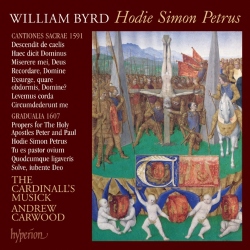
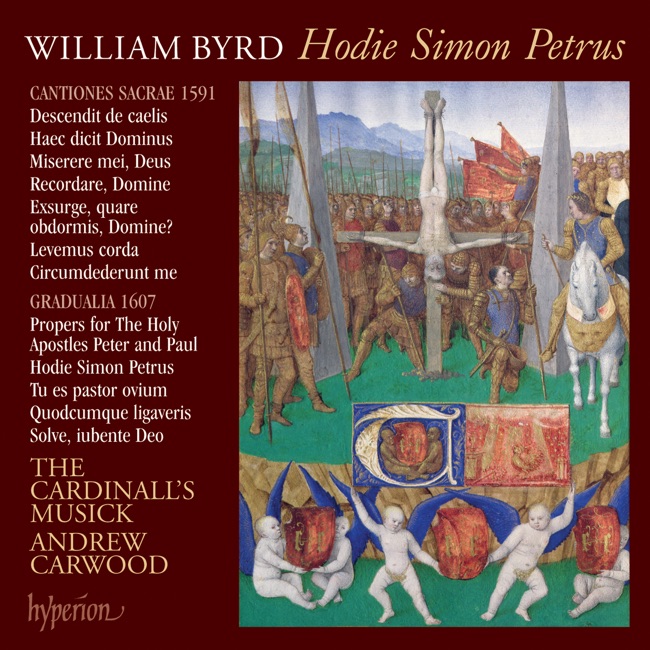
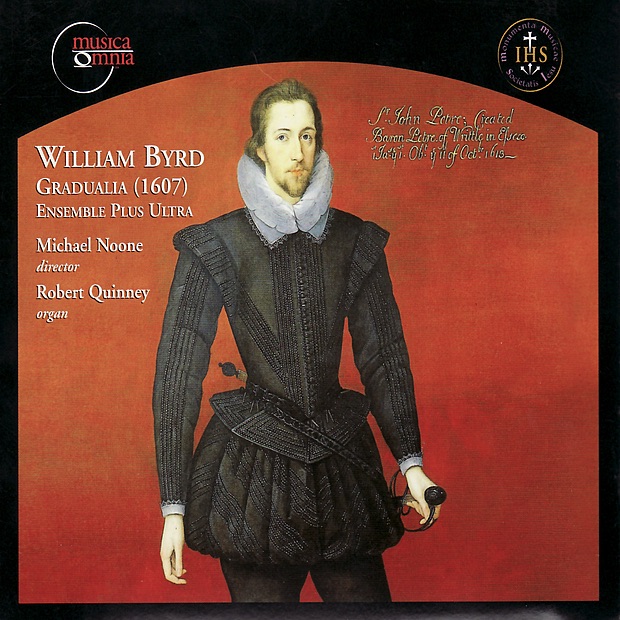
Solve iubente Deo
Released Album
Recent Album
Works Info
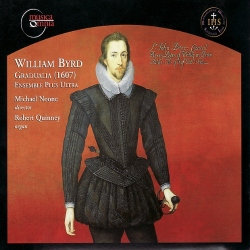
Composer:William ByrdGenre:ChoralStyle:MotetAverage_duration:2:36"Solve iubente Deo" is a sacred motet composed by William Byrd, one of the most prominent English composers of the Renaissance period. The piece was likely composed in the late 16th century, although the exact date is unknown. It was first performed in the Chapel Royal, where Byrd served as a Gentleman of the Chapel Royal. The motet is written for four voices, with the text taken from the Gospel of John, chapter 11, verse 39. The text translates to "At the command of God, Lazarus, come forth." The piece is divided into three movements, with the first and third movements being in duple meter and the second movement in triple meter. The first movement begins with a homophonic texture, with all four voices singing in unison. The texture then becomes more complex, with imitative polyphony and overlapping phrases. The second movement is more contemplative, with a slower tempo and a more flowing melody. The third movement returns to the faster tempo and more complex texture of the first movement, with a triumphant ending. The piece is characteristic of Byrd's style, which is known for its intricate polyphony and use of chromaticism. Byrd was a Catholic composer living in Protestant England, and his music often reflects his religious beliefs and the political climate of the time. "Solve iubente Deo" is a testament to Byrd's skill as a composer and his ability to create music that is both technically complex and emotionally powerful.More....
Works Music
Released Music