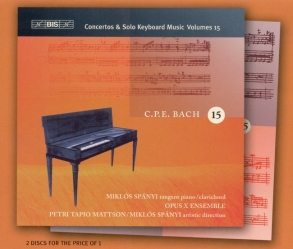
Carl Philipp Emanuel Bach
La Xénophon - La Sybille, H. 123, Wq. 117/29
Released Album
Recent Album
Featured Album
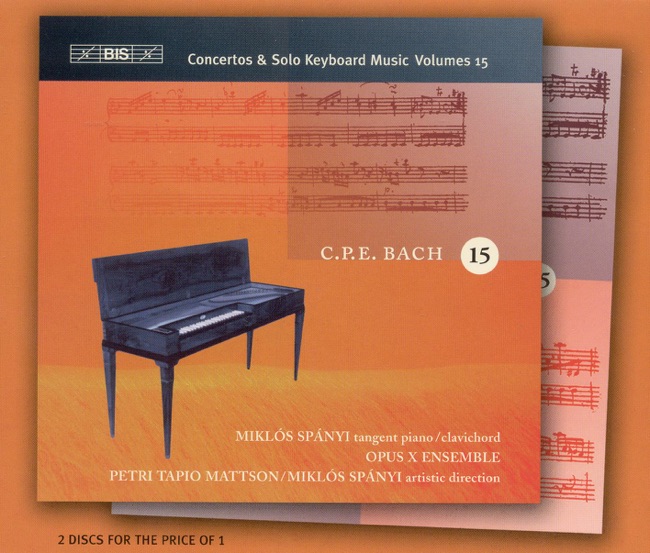
Works Info
Composer:Carl Philipp Emanuel BachGenre:KeyboardStyle:KeyboardCompose Date:1757Publication Date:1763Average_duration:7:32La Xénophon - La Sybille, H. 123, Wq. 117/29 is a cantata composed by Carl Philipp Emanuel Bach in 1778. The piece was premiered in Hamburg, Germany, on December 27, 1778. The cantata consists of two movements, each featuring a different soloist. The first movement, "La Xénophon," is a recitative and aria for soprano soloist. The text is taken from a French translation of Xenophon's Anabasis, a historical account of the Greek mercenary army's journey to Persia. The recitative sets the scene, describing the army's difficult journey through the mountains. The aria that follows is a beautiful and expressive piece, with the soprano soloist singing of the army's longing for home and the comfort of loved ones. The second movement, "La Sybille," is a recitative and aria for alto soloist. The text is taken from a French translation of Virgil's Aeneid, in which the prophetess Sybil predicts the future of Rome. The recitative sets the scene, with the Sybil speaking of the coming of a new age and the birth of a great leader. The aria that follows is a powerful and dramatic piece, with the alto soloist singing of the glory and power of Rome. The music of La Xénophon - La Sybille is typical of Carl Philipp Emanuel Bach's style, with its expressive melodies, dramatic contrasts, and use of chromatic harmonies. The cantata is a beautiful example of Bach's ability to set text to music, with each movement perfectly capturing the mood and meaning of the words. The piece is a testament to Bach's skill as a composer and his ability to create music that is both beautiful and meaningful.More....
Works Music
Released Music
1
2:39
3
2:39
Featured Music