William Lawes
Almaine for lyra viol (VdGS No. 430)
Released Album
Recent Album
Featured Album
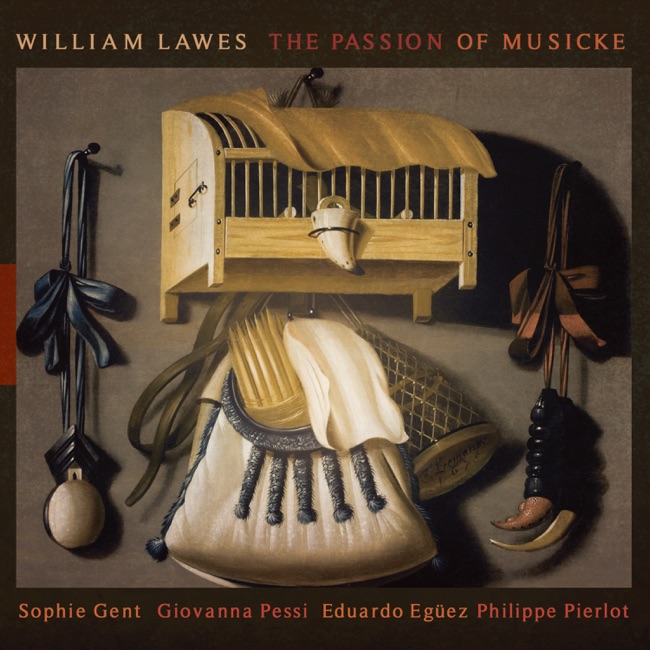
Works Info
Composer:William LawesGenre:ChamberStyle:Chamber MusicAverage_duration:2:35"Almaine for lyra viol (VdGS No. 430)" is a piece of music composed by William Lawes, a prominent English composer of the 17th century. The piece was composed in the early 1630s and was first performed in the court of King Charles I. It is a solo piece for the lyra viol, a bowed string instrument popular in the Renaissance and Baroque periods. The piece is divided into three movements, each with its own distinct character and mood. The first movement is marked by a lively and energetic rhythm, with a strong emphasis on the melody. The second movement is slower and more contemplative, with a more complex harmonic structure and a greater emphasis on the bass line. The final movement is a lively dance, with a fast tempo and a playful, almost whimsical character. One of the most notable characteristics of "Almaine for lyra viol" is its use of counterpoint, a technique in which multiple melodies are played simultaneously, creating a rich and complex texture. Lawes was known for his skillful use of counterpoint, and this piece is a prime example of his mastery of the technique. Another notable characteristic of the piece is its use of ornamentation, particularly in the first and third movements. Ornamentation was a common feature of Baroque music, and Lawes uses it here to add variety and interest to the melody. Overall, "Almaine for lyra viol" is a beautiful and complex piece of music that showcases William Lawes' skill as a composer. Its intricate counterpoint and use of ornamentation make it a challenging piece to play, but also a rewarding one for both performers and listeners alike.More....
Works Music
Released Music
Featured Music