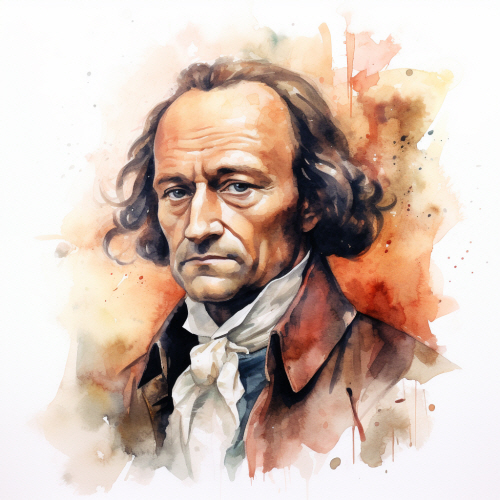
Johann Pachelbel
Fugue, for organ in G minor, T. 282
Released Album
Recent Album
Works Info
Composer:Johann PachelbelGenre:KeyboardStyle:FugueCompose Date:before Apr 1706Publication Date:1901Average_duration:2:24Johann Pachelbel's Fugue in G minor, T. 282, is a masterpiece of Baroque music. It was composed in the late 17th century and is one of Pachelbel's most famous works. The piece is written for the organ and is a prime example of the fugue form. The Fugue in G minor was likely composed in the 1680s or 1690s, during Pachelbel's time as the organist at the Predigerkirche in Erfurt, Germany. The piece was likely composed for use in church services, as was common for organ music of the time. The Fugue in G minor is a single movement work, consisting of a single fugue. The piece is written in four voices, with the subject introduced in the soprano voice. The subject is a short, four-note motif that is repeated throughout the piece. The fugue is structured in a traditional manner, with the subject being introduced in each voice in turn, followed by episodes of free counterpoint. The Fugue in G minor is characterized by its intricate counterpoint and use of chromaticism. Pachelbel makes use of a variety of contrapuntal techniques, including inversion, augmentation, and diminution. The piece is also notable for its use of pedal points, where a single note is sustained in the bass while the upper voices move around it. The Fugue in G minor was likely premiered by Pachelbel himself, either in a church service or in a concert setting. The piece has since become a staple of the organ repertoire and is frequently performed in recitals and church services. Overall, Pachelbel's Fugue in G minor is a masterful example of Baroque organ music. Its intricate counterpoint and use of chromaticism make it a challenging and rewarding piece for performers and listeners alike.More....
Works Music
Released Music
3
1:54
6
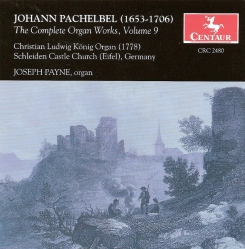
2:41