Alexander Tcherepnin
Symphony No. 4, Op. 91
Released Album
Recent Album
Works Info
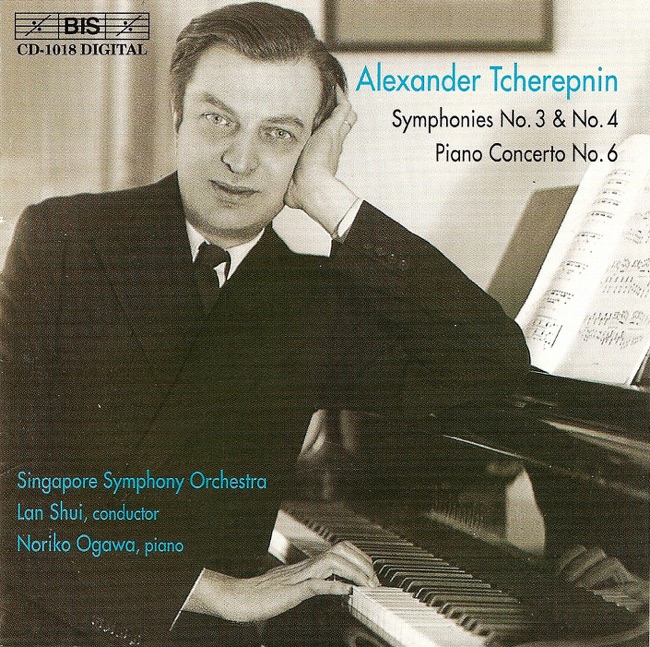
Composer:Alexander TcherepninGenre:SymphonyStyle:SymphonyAverage_duration:26:45Movement_count:3Movement ....Symphony No. 4, Op. 91 is a four-movement symphony composed by Alexander Tcherepnin in 1950. The symphony was premiered on November 16, 1950, by the Boston Symphony Orchestra under the direction of Serge Koussevitzky. The first movement, marked Allegro moderato, begins with a slow introduction featuring a solo clarinet. The main theme is then introduced by the strings, which is followed by a lively section featuring the woodwinds. The movement is characterized by its use of shifting tonal centers and complex rhythms. The second movement, marked Andante, is a slow and lyrical movement featuring a solo oboe. The strings provide a lush and romantic accompaniment, and the movement is notable for its use of rich harmonies and expressive melodies. The third movement, marked Allegro molto, is a fast and energetic scherzo. The movement is characterized by its use of syncopated rhythms and playful melodies. The middle section features a lyrical theme played by the strings, which is then developed by the woodwinds. The final movement, marked Allegro con fuoco, is a lively and triumphant finale. The movement begins with a fanfare-like theme played by the brass, which is then developed by the strings. The movement is characterized by its use of driving rhythms and bold melodies, and it builds to a thrilling climax before ending with a triumphant coda. Overall, Symphony No. 4, Op. 91 is a dynamic and expressive work that showcases Tcherepnin's skill as a composer. The symphony is notable for its use of shifting tonal centers, complex rhythms, and rich harmonies, and it is a testament to Tcherepnin's ability to create music that is both challenging and accessible.More....
Works Music
Released Music