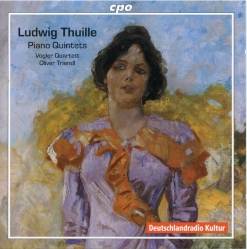
Ludwig Thuille
Piano Quintet in G minor
Released Album
Recent Album
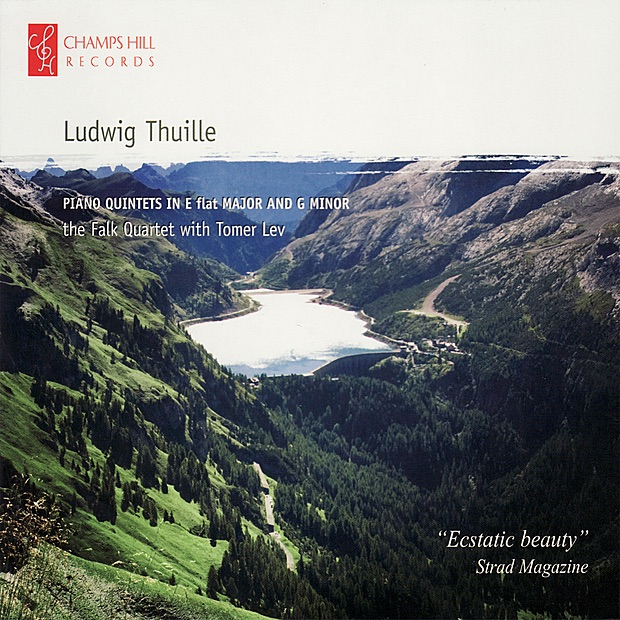
Featured Album
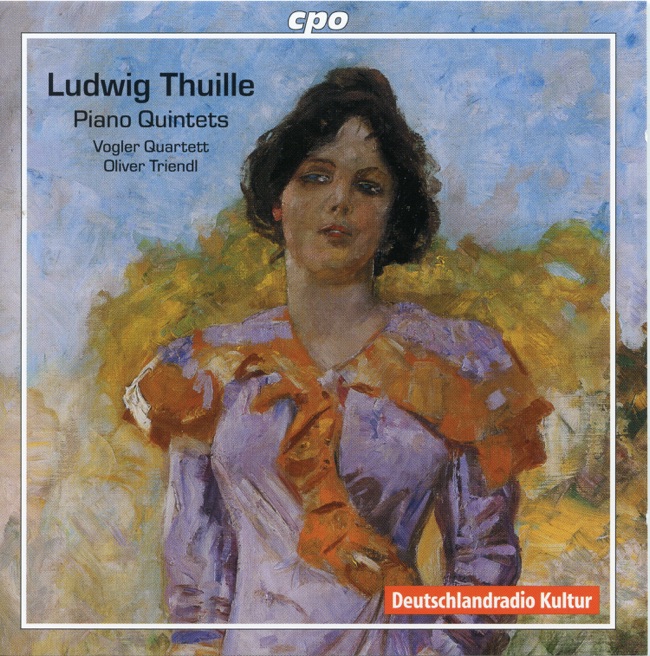
Works Info
Composer:Ludwig ThuilleGenre:ChamberStyle:QuintetCompose Date:1880Average_duration:22:23Movement_count:3Movement ....Ludwig Thuille's Piano Quintet in G minor, Op. 20, was composed in 1893 and premiered in Munich the same year. The quintet is comprised of four movements: Allegro energico, Scherzo: Allegro vivace, Adagio, and Finale: Allegro moderato. The first movement, Allegro energico, opens with a dramatic and intense piano introduction, followed by the entrance of the strings. The movement is characterized by its use of contrasting themes and textures, with the piano often taking on a more virtuosic role. The development section features a fugue-like passage, showcasing Thuille's skill in counterpoint. The movement ends with a fiery coda. The second movement, Scherzo: Allegro vivace, is a playful and energetic scherzo in G major. The movement features a lively and syncopated main theme, which is contrasted by a more lyrical trio section. The movement ends with a return to the scherzo theme, played in a faster tempo. The third movement, Adagio, is the emotional heart of the quintet. The movement opens with a hauntingly beautiful melody played by the cello, which is then taken up by the violin. The piano provides a delicate accompaniment, creating a sense of intimacy and introspection. The movement builds to a powerful climax before subsiding into a quiet and reflective coda. The final movement, Finale: Allegro moderato, is a lively and energetic conclusion to the quintet. The movement opens with a driving piano introduction, followed by the entrance of the strings. The movement features a lively and rhythmic main theme, which is developed throughout the movement. The movement ends with a triumphant coda, bringing the quintet to a thrilling conclusion. Overall, Thuille's Piano Quintet in G minor is a masterful work, showcasing his skill in both composition and performance. The quintet is characterized by its use of contrasting themes and textures, as well as its skillful use of counterpoint. The emotional depth of the Adagio movement is particularly noteworthy, providing a powerful contrast to the more energetic movements.More....
Works Music
Released Music
Featured Music