Alessandro Rolla
Symphony in D Major, BI 553
Released Album
Recent Album
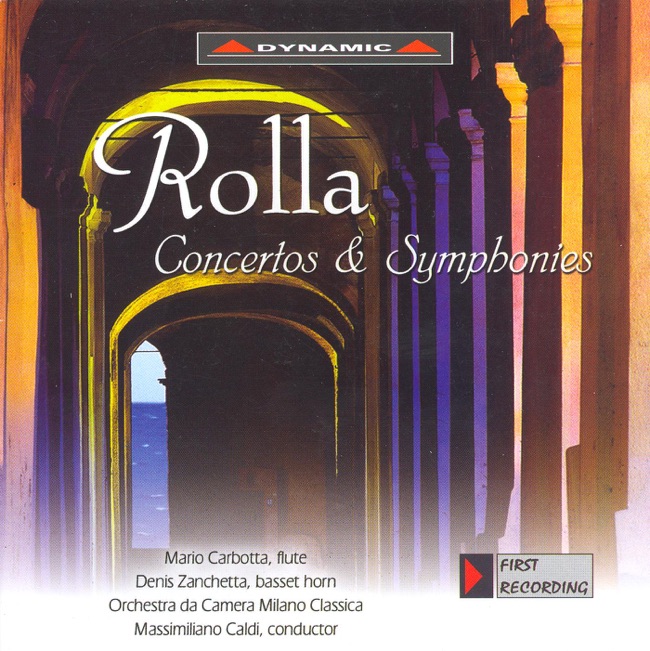
Featured Album
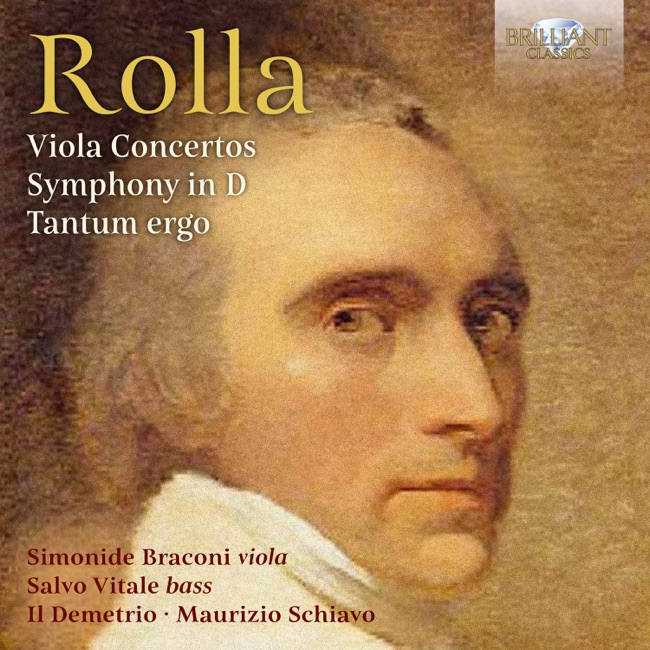
Works Info
Composer:Alessandro RollaGenre:SymphonyStyle:SymphonyAverage_duration:16:43Movement_count:4Movement ....Symphony in D Major, BI 553 is a classical symphony composed by Alessandro Rolla. The symphony was composed in the late 18th century, and it premiered in Milan, Italy. The symphony is divided into four movements, each with its own unique characteristics. The first movement of Symphony in D Major, BI 553 is marked Allegro con brio, which means fast and lively. The movement begins with a bold and energetic theme played by the strings. The theme is then passed on to the woodwinds and brass, creating a rich and full sound. The movement is characterized by its use of dynamic contrasts, with sudden shifts from loud to soft and back again. The second movement of Symphony in D Major, BI 553 is marked Andante con moto, which means slow and with motion. The movement begins with a gentle and lyrical theme played by the strings. The theme is then passed on to the woodwinds, creating a delicate and intimate sound. The movement is characterized by its use of expressive melodies and subtle harmonies. The third movement of Symphony in D Major, BI 553 is marked Menuetto, which means a dance in triple time. The movement begins with a lively and playful theme played by the strings. The theme is then passed on to the woodwinds and brass, creating a festive and celebratory sound. The movement is characterized by its use of syncopated rhythms and lively dance-like melodies. The fourth and final movement of Symphony in D Major, BI 553 is marked Allegro vivace, which means fast and lively. The movement begins with a bold and energetic theme played by the strings. The theme is then passed on to the woodwinds and brass, creating a triumphant and majestic sound. The movement is characterized by its use of virtuosic solo passages and grand orchestral gestures. Overall, Symphony in D Major, BI 553 is a classic example of a classical symphony. It showcases Rolla's mastery of orchestration and his ability to create memorable melodies and harmonies. The symphony is characterized by its use of dynamic contrasts, expressive melodies, and lively dance-like rhythms. It remains a popular work in the classical repertoire and is frequently performed by orchestras around the world.More....
Works Music