Carl Reinecke
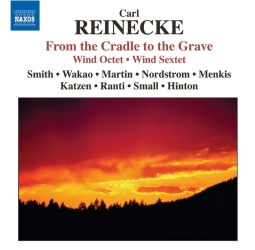
Octet for flute, oboe, 2 clarinets, 2 horns & 2 bassoons, Op. 216
Released Album
Recent Album
Works Info
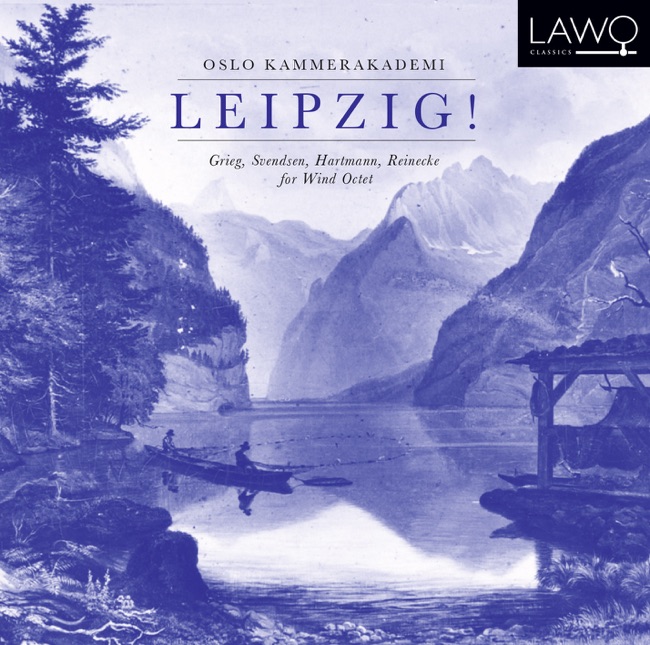
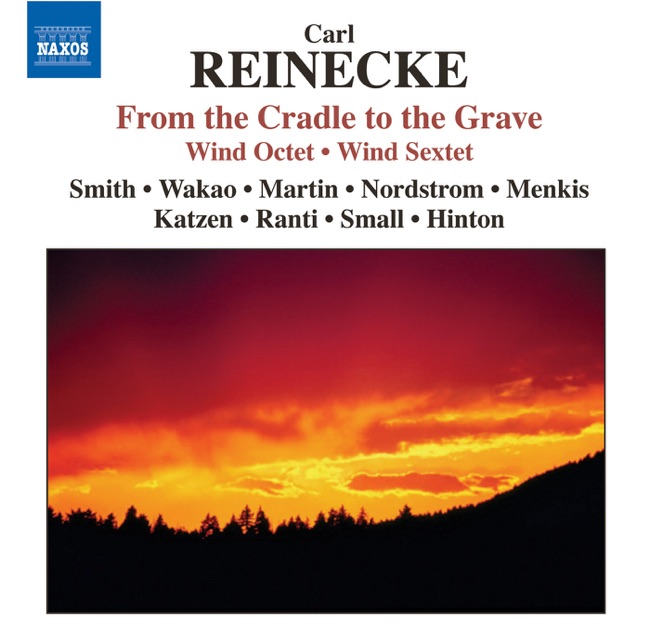
Composer:Carl ReineckeGenre:ChamberStyle:Chamber MusicAverage_duration:23:50Movement_count:4Movement ....Carl Reinecke's Octet for flute, oboe, 2 clarinets, 2 horns & 2 bassoons, Op. 216 was composed in 1900. It premiered on January 23, 1901, in Leipzig, Germany. The piece consists of four movements: Allegro moderato, Scherzo, Adagio, and Finale. The first movement, Allegro moderato, begins with a lively and energetic theme introduced by the clarinets and bassoons. The theme is then passed around to the other instruments, creating a sense of unity and balance. The movement is characterized by its use of counterpoint and the interplay between the different instruments. The second movement, Scherzo, is a playful and light-hearted piece that features a fast-paced melody played by the flutes and clarinets. The horns and bassoons provide a strong rhythmic foundation, while the oboe adds a touch of elegance to the piece. The movement is notable for its use of syncopation and its lively, dance-like quality. The third movement, Adagio, is a slow and contemplative piece that showcases the expressive capabilities of the ensemble. The melody is introduced by the oboe and is then passed around to the other instruments, creating a sense of intimacy and introspection. The movement is characterized by its use of rich harmonies and its emotional depth. The final movement, Finale, is a lively and energetic piece that brings the octet to a thrilling conclusion. The movement features a fast-paced melody played by the clarinets and bassoons, with the other instruments providing a strong rhythmic foundation. The movement is characterized by its use of syncopation and its sense of excitement and joy. Overall, Reinecke's Octet for flute, oboe, 2 clarinets, 2 horns & 2 bassoons, Op. 216 is a masterful work that showcases the composer's skill in writing for chamber ensembles. The piece is characterized by its use of counterpoint, its lively rhythms, and its expressive melodies. It remains a popular work in the chamber music repertoire to this day.More....
Works Music
Released Music
1
9:3
2
8:41