Antonio Vivaldi
Sonata for violin & continuo in D minor, RV 11
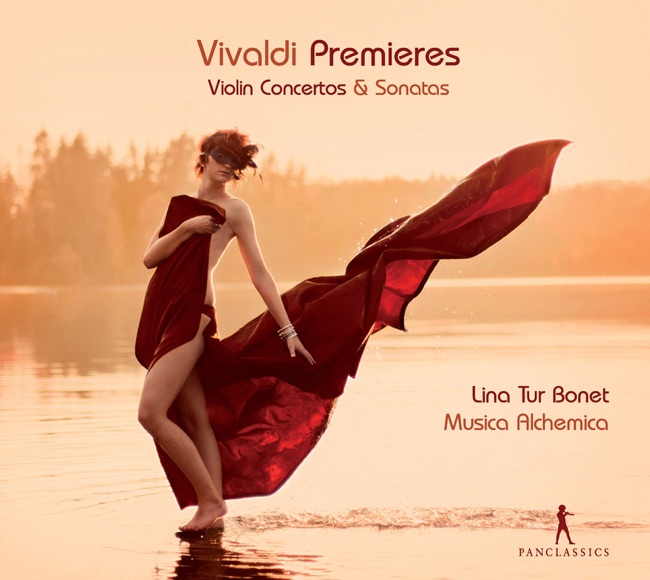
Released Album
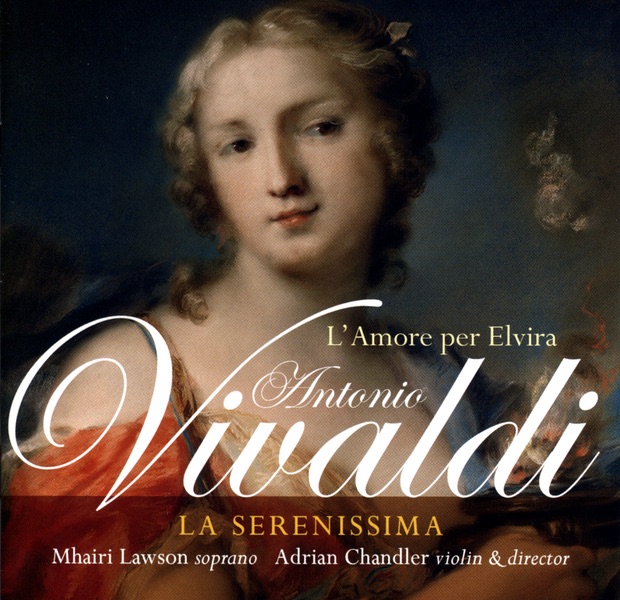
Recent Album
Works Info
Composer:Antonio VivaldiGenre:ChamberStyle:SonataCompose Date:before 1742Average_duration:12:27Antonio Vivaldi's Sonata for violin & continuo in D minor, RV 11, is a Baroque-era composition that was likely composed in the early 1700s. The piece is believed to have been premiered in Venice, Italy, where Vivaldi spent much of his career as a composer and violinist. The sonata is comprised of three movements: a slow opening movement in D minor, a lively second movement in G minor, and a final fast movement in D minor. The first movement, marked "Adagio," features a mournful melody played by the violin over a simple continuo accompaniment. The second movement, marked "Allegro," is a lively dance-like piece that showcases the virtuosic abilities of the violinist. The final movement, marked "Allegro," is a fast and energetic piece that brings the sonata to a thrilling conclusion. One of the most notable characteristics of Vivaldi's Sonata for violin & continuo in D minor, RV 11, is its use of the continuo accompaniment. The continuo, which typically consists of a harpsichord or organ and a bass instrument such as a cello or bassoon, provides a harmonic foundation for the solo violinist to play over. In this sonata, the continuo is relatively simple and unobtrusive, allowing the violin to take center stage. Another characteristic of the sonata is its use of Baroque-era ornamentation. Throughout the piece, the violinist is expected to add trills, turns, and other embellishments to the written notes in order to add interest and variety to the music. This ornamentation is a hallmark of Baroque-era music and is an important part of interpreting Vivaldi's Sonata for violin & continuo in D minor, RV 11. Overall, Vivaldi's Sonata for violin & continuo in D minor, RV 11, is a beautiful and expressive piece of music that showcases the virtuosic abilities of the violinist. Its use of the continuo accompaniment and Baroque-era ornamentation make it a quintessential example of Baroque-era music, and its popularity has endured for centuries.More....
Works Music