


Giovanni Battista Bassani
In caligine umbrosa
Released Album
Recent Album
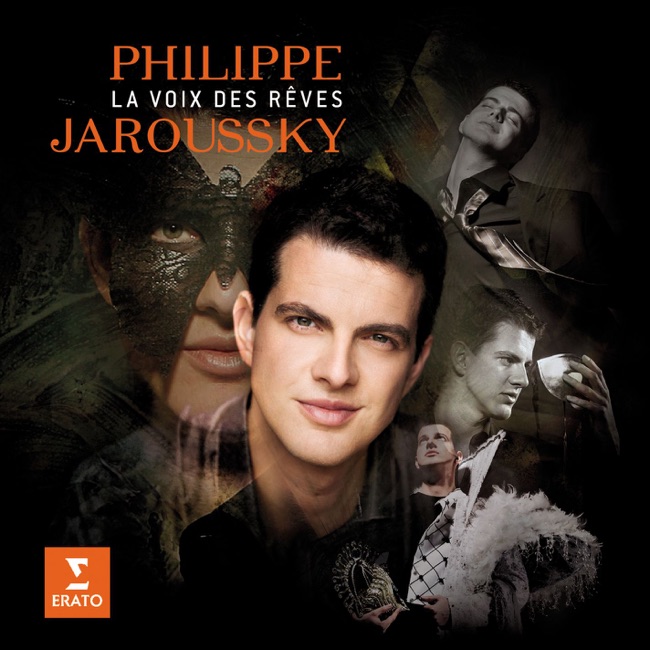
Featured Album
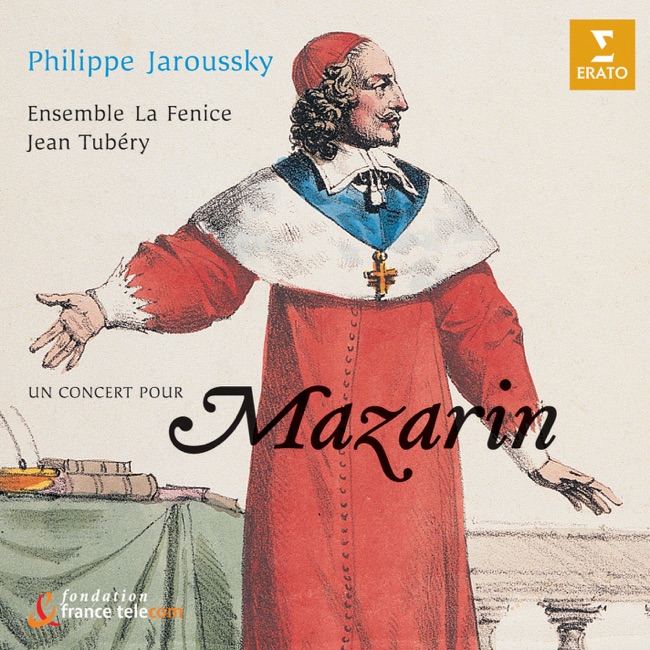
Works Info
Composer:Giovanni Battista BassaniGenre:VocalStyle:Vocal MusicAverage_duration:10:17Giovanni Battista Bassani was an Italian composer and violinist of the Baroque era. He was born in Padua in 1657 and died in 1716. One of his most famous works is the oratorio "In caligine umbrosa," which was composed in 1709. The oratorio "In caligine umbrosa" premiered in Venice in 1709. It is a sacred work that tells the story of the Passion of Christ. The oratorio is divided into six movements, each of which represents a different part of the story. The first movement is an instrumental introduction that sets the mood for the piece. It is slow and mournful, with a sense of foreboding. The second movement is a chorus that represents the people of Jerusalem welcoming Jesus as he enters the city. The music is joyful and celebratory, with a sense of excitement and anticipation. The third movement is a recitative that tells the story of Jesus' betrayal by Judas. The music is tense and dramatic, with a sense of impending doom. The fourth movement is an aria sung by Mary Magdalene. She laments the death of Jesus and expresses her sorrow and grief. The music is slow and mournful, with a sense of deep sadness. The fifth movement is a chorus that represents the people of Jerusalem calling for Jesus' crucifixion. The music is angry and aggressive, with a sense of mob mentality. The final movement is a recitative and aria that tells the story of Jesus' death and resurrection. The music is triumphant and joyful, with a sense of hope and redemption. Overall, "In caligine umbrosa" is a powerful and emotional work that captures the drama and intensity of the Passion of Christ. Bassani's use of different musical styles and techniques helps to convey the different moods and emotions of each movement, making it a truly memorable piece of music.More....
Works Music
Released Music
Featured Music
1
In shadowy gloom
Recitativo. In caligine umbrosa / Aria. Festinate, o penæ terrenæ / Recitativo. Ah! non conturbate
2:46