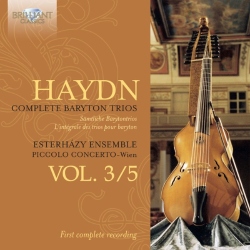
Franz Joseph Haydn
Baryton Trio in A major, H. 11/60
Released Album
Recent Album
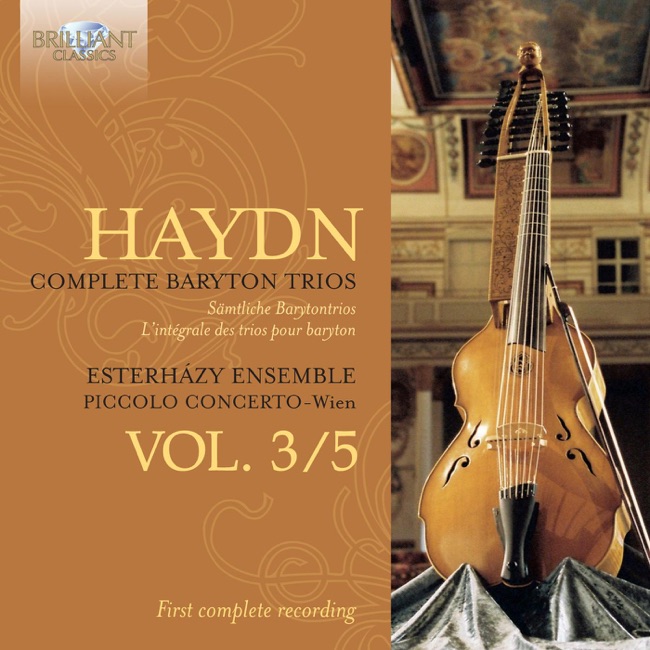
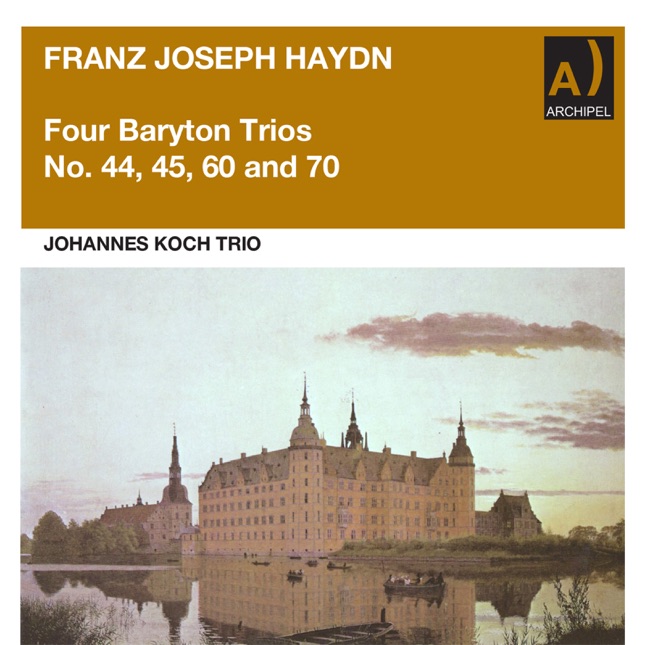
Works Info
Composer:Franz Joseph HaydnGenre:ChamberAverage_duration:14:13Movement_count:3Movement ....The Baryton Trio in A major, H. 11/60, is a chamber music piece composed by Franz Joseph Haydn. It was composed in the late 1760s and premiered in the court of Prince Nikolaus Esterházy, who was a patron of Haydn. The piece is written for baryton, viola, and cello, and is one of several works that Haydn composed for the baryton, a stringed instrument that was popular in the 18th century. The Baryton Trio in A major consists of three movements: Allegro moderato, Menuetto, and Finale: Presto. The first movement is in sonata form and begins with a lively and energetic theme played by the baryton. The viola and cello then join in, and the three instruments engage in a lively and playful dialogue. The second movement is a minuet and trio, with a graceful and elegant melody played by the baryton. The final movement is a fast and lively presto, with a virtuosic solo for the baryton. One of the most notable characteristics of the Baryton Trio in A major is the prominent role of the baryton. The instrument is featured prominently throughout the piece, with many virtuosic passages and solos. Haydn was known for his skill in writing for the baryton, and this piece is a testament to his mastery of the instrument. Another characteristic of the piece is its light and playful character. The music is full of lively rhythms, playful melodies, and witty musical gestures. Haydn was known for his sense of humor and his ability to infuse his music with wit and charm, and this piece is a perfect example of his style. Overall, the Baryton Trio in A major is a delightful and charming chamber music piece that showcases Haydn's skill as a composer and his mastery of the baryton. Its playful character and virtuosic passages make it a joy to listen to, and it remains a popular work in the chamber music repertoire to this day.More....
Works Music
Released Music