Johann Georg Pisendel
Sonata da chiesa for strings, 2 oboes & continuo in C minor
Released Album
Recent Album


Featured Album
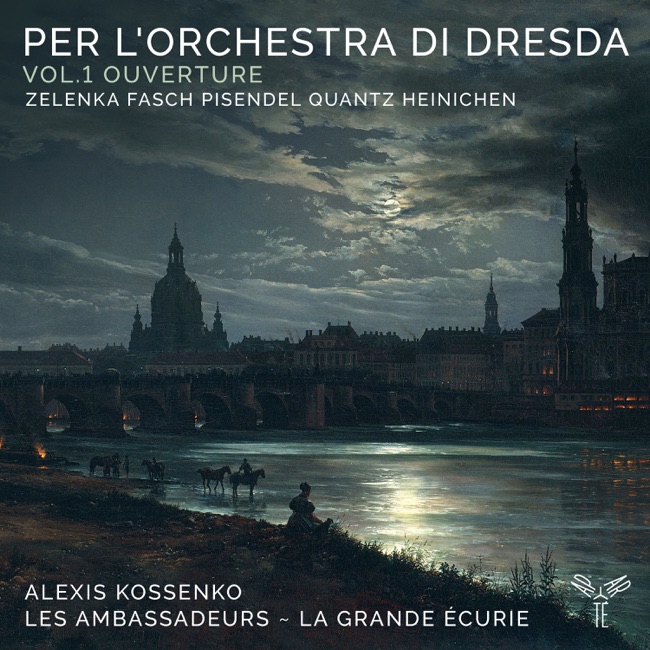
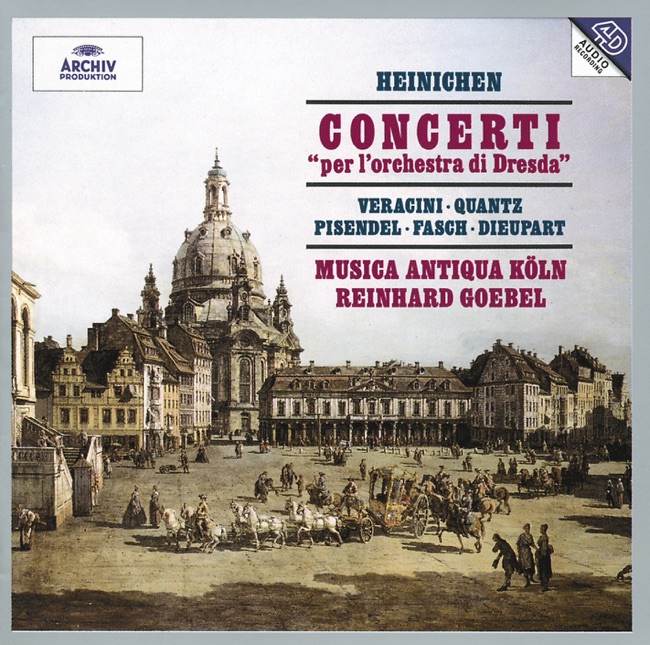
Works Info
Composer:Johann Georg PisendelGenre:OrchestralStyle:OrchestralAverage_duration:4:13Movement_count:2Movement ....Johann Georg Pisendel, a German Baroque composer, violinist, and conductor, composed the 'Sonata da chiesa for strings, 2 oboes & continuo in C minor' in the early 18th century. The exact date of composition is unknown, but it is believed to have been written between 1715 and 1725. The piece was premiered in Dresden, where Pisendel served as the concertmaster of the court orchestra. The 'Sonata da chiesa' is a four-movement work that follows the traditional structure of a Baroque sonata. The first movement is a slow and solemn introduction, followed by a fast and lively second movement. The third movement is a slow and expressive adagio, and the final movement is a fast and energetic allegro. The piece is scored for strings, two oboes, and continuo, which provides a rich and full sound. The use of two oboes adds a unique color to the piece, and Pisendel takes advantage of this by giving the oboes prominent roles in the music. The continuo, which is typically played by a harpsichord or organ, provides a harmonic foundation for the other instruments. The 'Sonata da chiesa' is characterized by its expressive melodies, intricate counterpoint, and virtuosic violin writing. Pisendel was a renowned violinist, and he showcases his skill in the solo passages throughout the piece. The music is also notable for its use of chromaticism, which adds tension and drama to the music. Overall, the 'Sonata da chiesa for strings, 2 oboes & continuo in C minor' is a beautiful example of Baroque chamber music. Its expressive melodies, intricate counterpoint, and virtuosic violin writing make it a challenging and rewarding piece for performers and a delight for listeners.More....
Works Music
Released Music
1

2:41
2
2:12
3

1:22
4
2:15
5
2:16
6

3:52
Featured Music
1
2:28
2
2:14
3

2:31
4
2:26